
Investing in a flake ice machine is a significant step for many businesses. A thorough analysis of the flake ice machine cost and expected return is crucial for business success. This article explores the key factors involved in the investment and the potential returns.
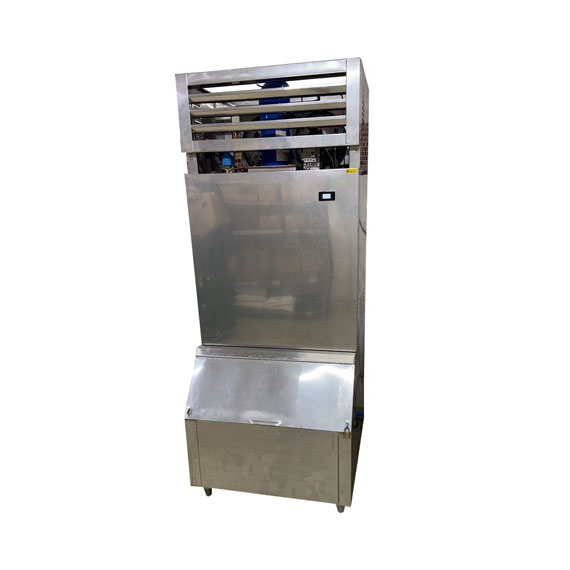
The price of a flake ice machine is the main startup cost. Prices vary depending on the machine’s production capacity and features. Small machines for restaurants typically start at around 100,000–300,000 THB, while larger industrial machines may cost from 500,000 THB up to several million.
In addition to the machine itself, there are installation and site preparation costs, including electrical, water, and cooling systems. Electricity costs for a flake ice machine are a major operational expense, with a 1-ton/day machine using around 35–40 kWh. Maintenance costs are typically 5–10% of the machine price annually.
Flake ice businesses can generate revenue through both retail and wholesale channels. Retail prices are around 40–60 THB per kilogram, while wholesale prices range from 20–30 THB per kilogram. Return on investment varies depending on the target market and distribution area. Good market analysis and marketing strategies can significantly boost returns.
Breakeven calculations must consider both fixed and variable costs. For a 1-ton/day flake ice machine, the payback period is typically 1–2 years, depending on management efficiency and market conditions. Aligning production with market demand and controlling production costs effectively can shorten the payback period.

Increasing flake ice ROI can be achieved through several methods: choosing a strategic location, building a stable customer base, and efficiently managing costs. Utilizing modern technology and management systems helps reduce production costs and improve operational efficiency. Additional services, such as delivery or product quality guarantees, can add value to the business.
Risk management is also essential to maintain stable returns. Long-term contracts with key clients, customer base diversification, and contingency plans for low demand or rising costs can help mitigate market volatility. Insuring equipment and having a solid maintenance plan reduces the risk of production disruptions.
The flake ice market continues to grow, especially in the seafood, food processing, and restaurant industries. Investing in modern, energy-efficient flake ice machines enhances competitiveness and supports business sustainability. Monitoring market trends and adapting to customer needs enable business expansion and long-term profitability.
Investing in a flake ice machine is a promising opportunity for entrepreneurs with solid planning and market understanding. Careful cost and return analysis, efficient management, and market adaptability are the keys to success in this business.