
The Importance of Temperature Control in Cold Storage Rooms
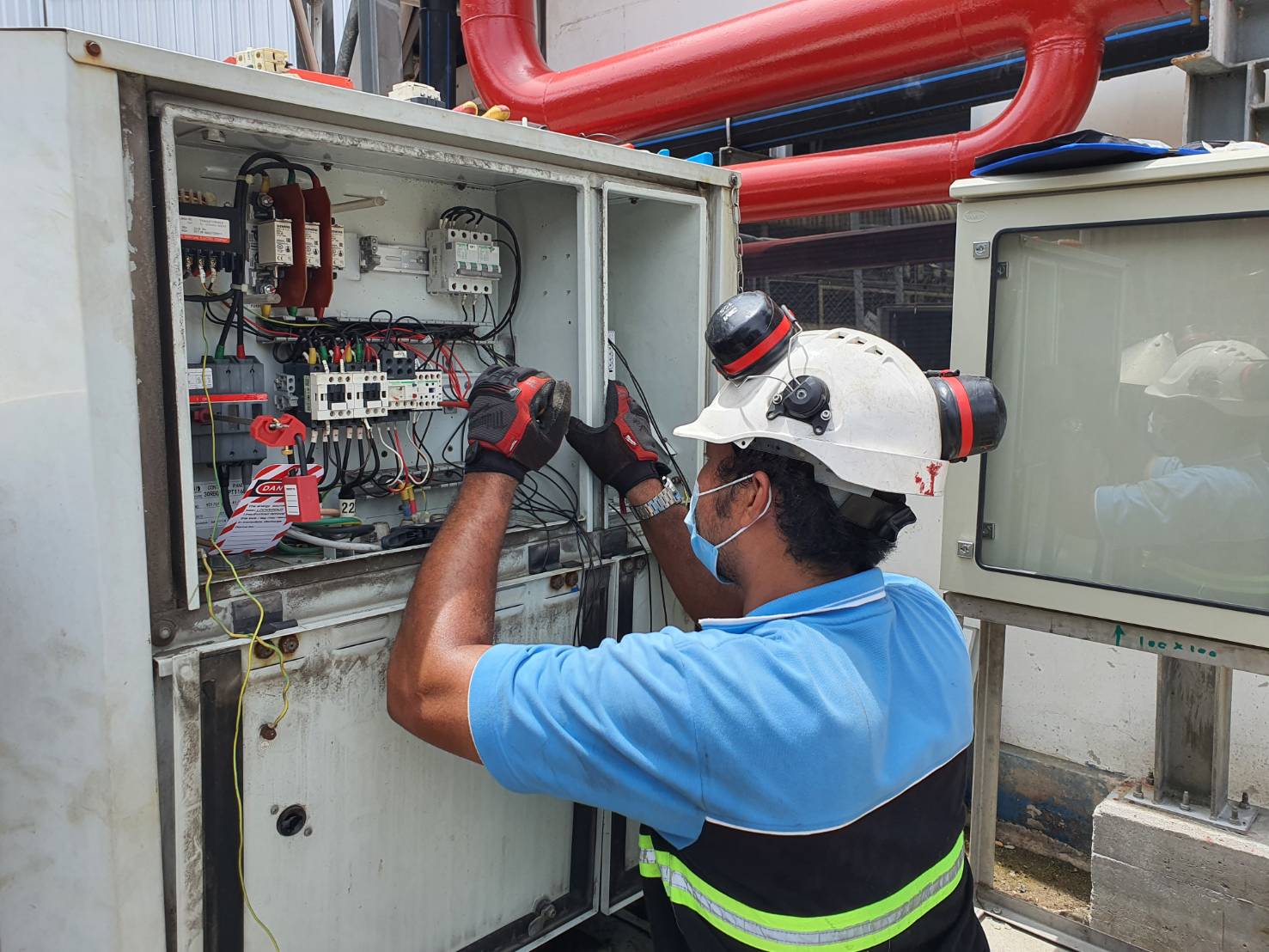
Temperature control in cold storage systems is one of the most crucial factors in maintaining food quality. This is especially true in the food industry, where strict humidity control is required. Maintaining a stable and appropriate temperature at all times helps extend the shelf life of products and prevents deterioration. To effectively control temperature, operators must install a high-accuracy automatic temperature monitoring and recording system. Temperature sensors should be installed at various points throughout the cold storage room to monitor temperature consistency. The system should include both audio alerts and message notifications when the temperature exceeds the defined limits.
Proper humidity control is equally important, as excessive humidity increases the risk of microbial growth, leading to food spoilage. On the other hand, too little humidity may cause food to lose weight and quality. Therefore, the humidity control system must maintain a relative humidity level suitable for the type of food being stored.
Space Management and Storage According to GMP Standards
GMP standards provide detailed guidelines for hygienic cold storage room management, starting from structural design that must prevent external contamination. Construction materials must be durable, easy to clean, and not a breeding ground for pathogens.
Product placement within the cold storage must follow the First-In-First-Out (FIFO) principle to ensure older stock is used before newer stock. Storage zones should be clearly separated by food type, and there should be enough space between walls and shelves for proper airflow. Temperature and humidity control per GMP standards must be consistently recorded and monitored. Backup power systems should be in place to maintain temperature in the event of a power outage, along with an emergency plan in case of refrigeration system failure.
HACCP Systems for Food Safety Control
Implementing a HACCP system in cold storage management helps identify, assess, and control hazards that may affect food safety. Temperature control is a key Critical Control Point (CCP), requiring the specification of critical limits, acceptable deviations, and corrective actions when temperature exceeds set thresholds.
HACCP also emphasizes humidity control and prevention of cross-contamination. It requires effective monitoring plans, inspections, and verification procedures. All records must be systematically documented and traceable.
Inspection and Certification of Standards
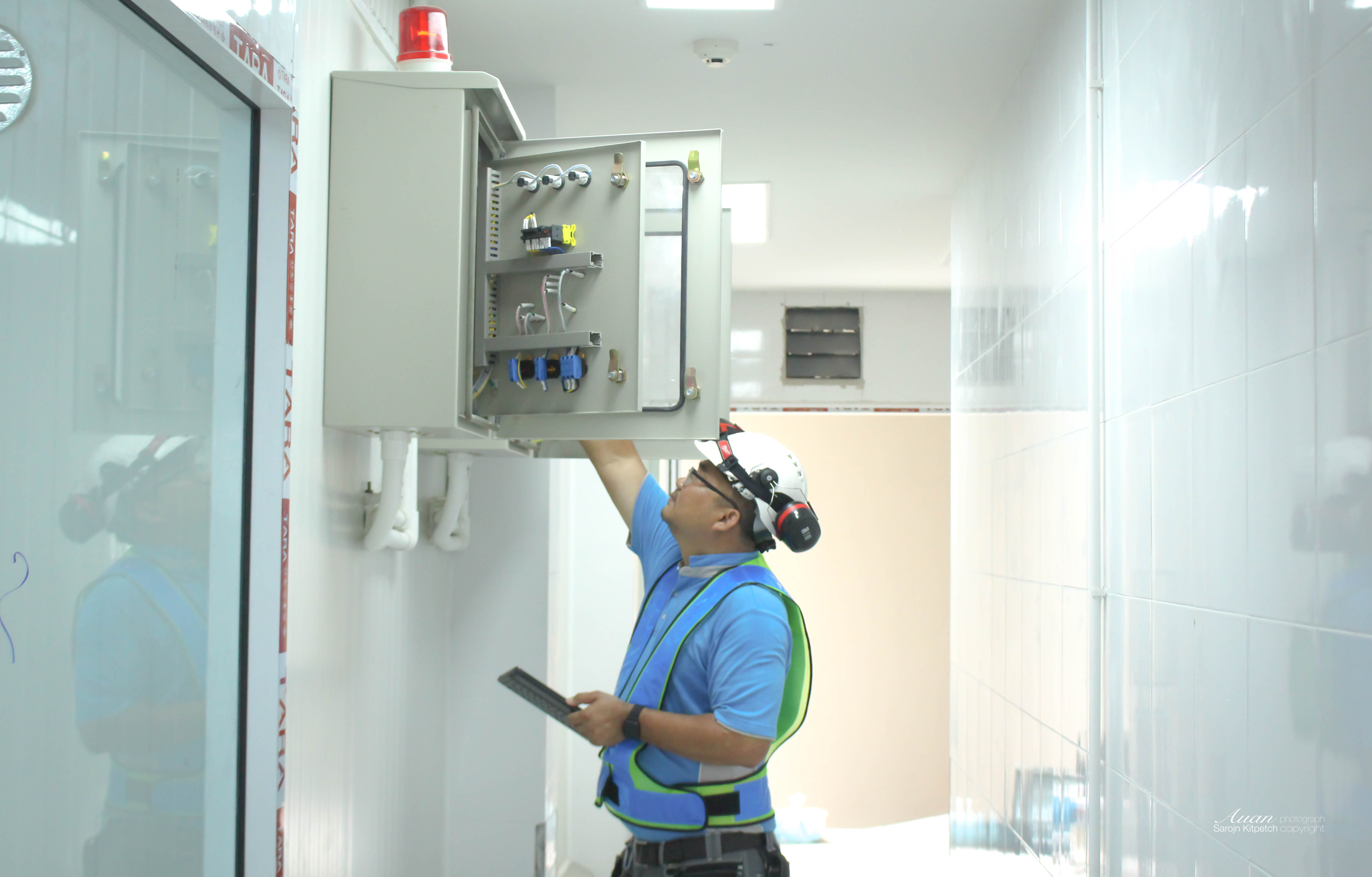
Cold storage management standards must be inspected and certified by accredited agencies. Assessments include documentation review, practical inspections, and system verification. Temperature and humidity measuring instruments must be calibrated periodically by certified laboratories.
Additionally, food safety management systems must be reviewed and improved regularly. Risk assessments and control measures must be updated to match evolving situations.
Staff Training and Personnel Development
Personnel responsible for cold storage must receive both theoretical and practical training. Staff should understand how cooling systems work, how to control temperature and humidity, and how these affect food quality and safety. Training should include personal hygiene, use of protective equipment, and proper procedures according to GMP and HACCP standards. Training effectiveness must be regularly evaluated, with refresher courses and updates provided continuously.