
Cooling System Equipment Most people only know the parts that release cold air, called the evaporator coil, and the parts that release hot air, called the condenser coil. But in reality, cooling system equipment includes many other components that are considered fundamental to refrigeration. These are worth studying to better understand how cooling systems work.
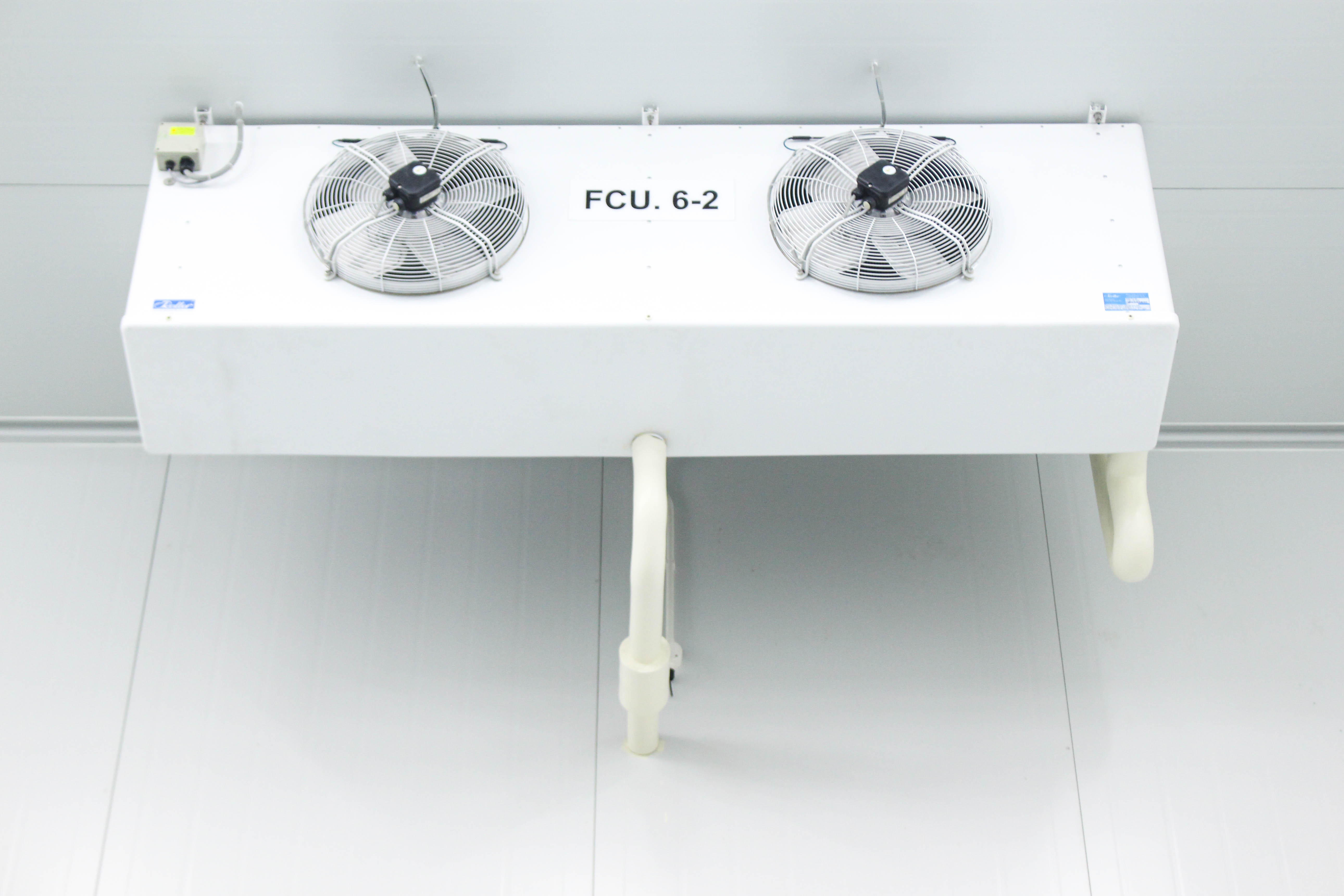
The cooling system operates based on the principle of heat transfer to create cold, not by directly generating cold through electricity. The evaporator coil, usually installed in the area requiring cooling, exchanges heat from the space using refrigerant, commonly called air conditioner refrigerant by technicians. Refrigerants have special properties that allow them to easily change states and withstand heat. Using this physical phase change principle, many cooling system components are key to producing cooling. However, the basic main components consist of five types.
Refrigerant is the heart of the cooling system. It has special properties that allow it to easily change states between liquid and vapor and resist heat. It is used in cooling equipment that relies on phase change to transfer heat within the space. Today, refrigerants are available in a variety of options depending on quality and price.
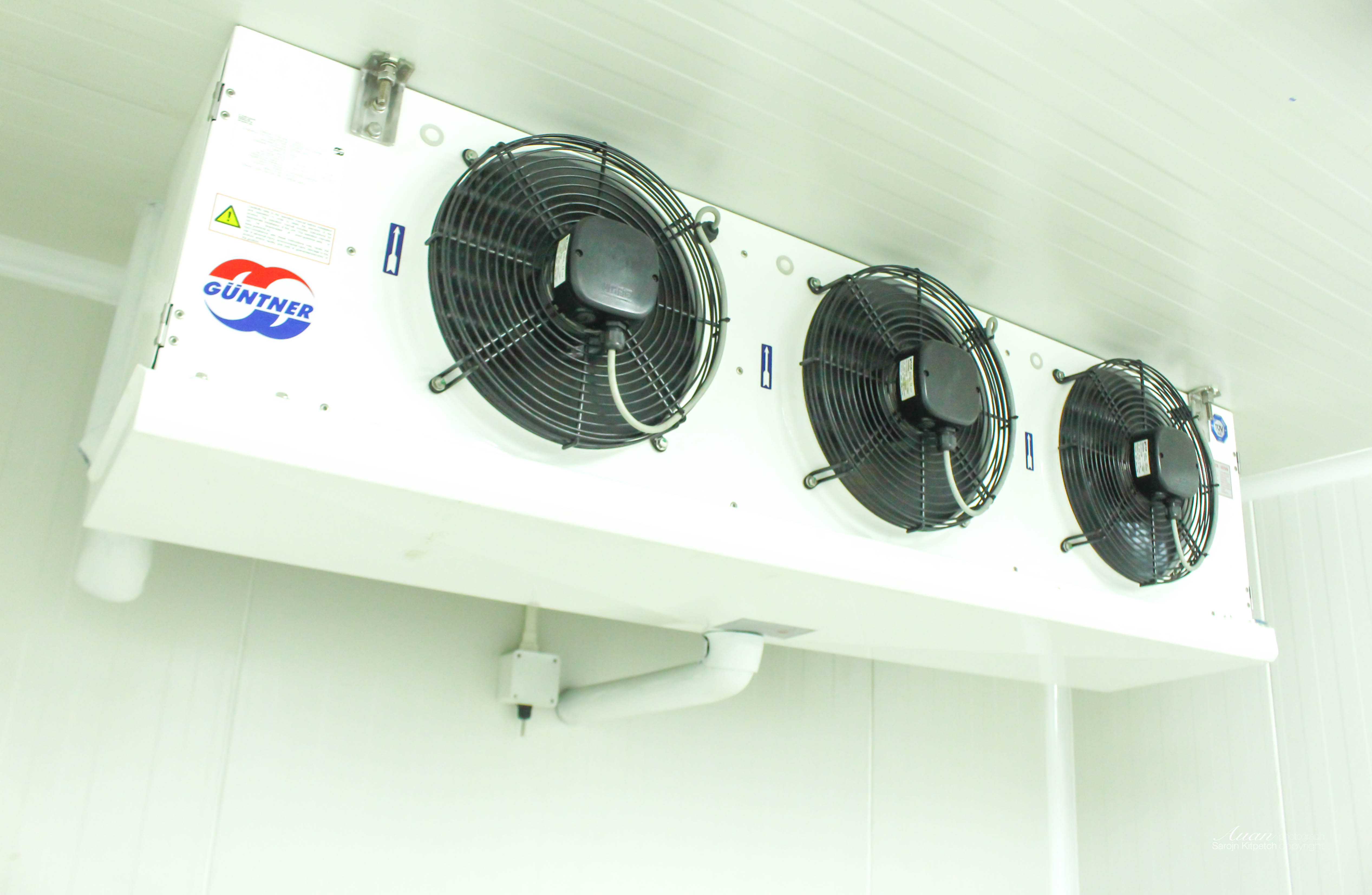
The evaporator coil is a very important cooling component, commonly called the air conditioner by everyone. The evaporator is installed in the area that needs cooling and exchanges heat from the room with the cool temperature from the system using refrigerant as the medium. Inside the evaporator coil is a fan blade that blows the cool air produced by the refrigerant and pulls warm air from the room in a circulating cycle.
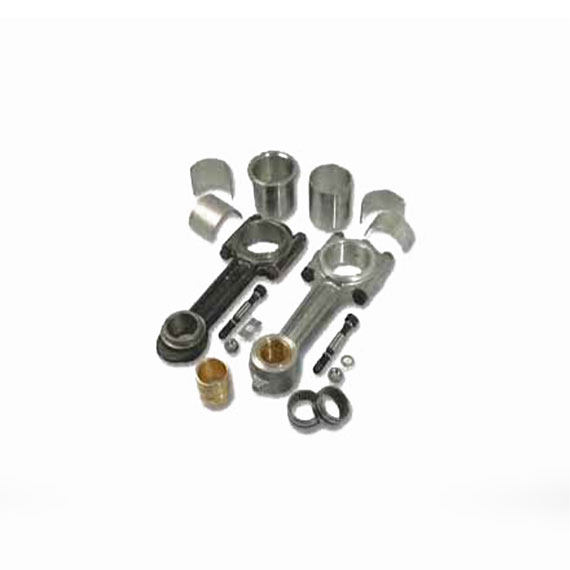
Located near the condenser coil, the compressor’s role is to compress the refrigerant vapor or gas to increase its pressure. The refrigerant leaving the evaporator has a higher temperature and is in a low-pressure vapor or gas state. Because vapor or gas refrigerant can absorb heat from the air flowing past it well, it flows to the compressor where it is compressed to a higher pressure before being sent to the condenser coil.
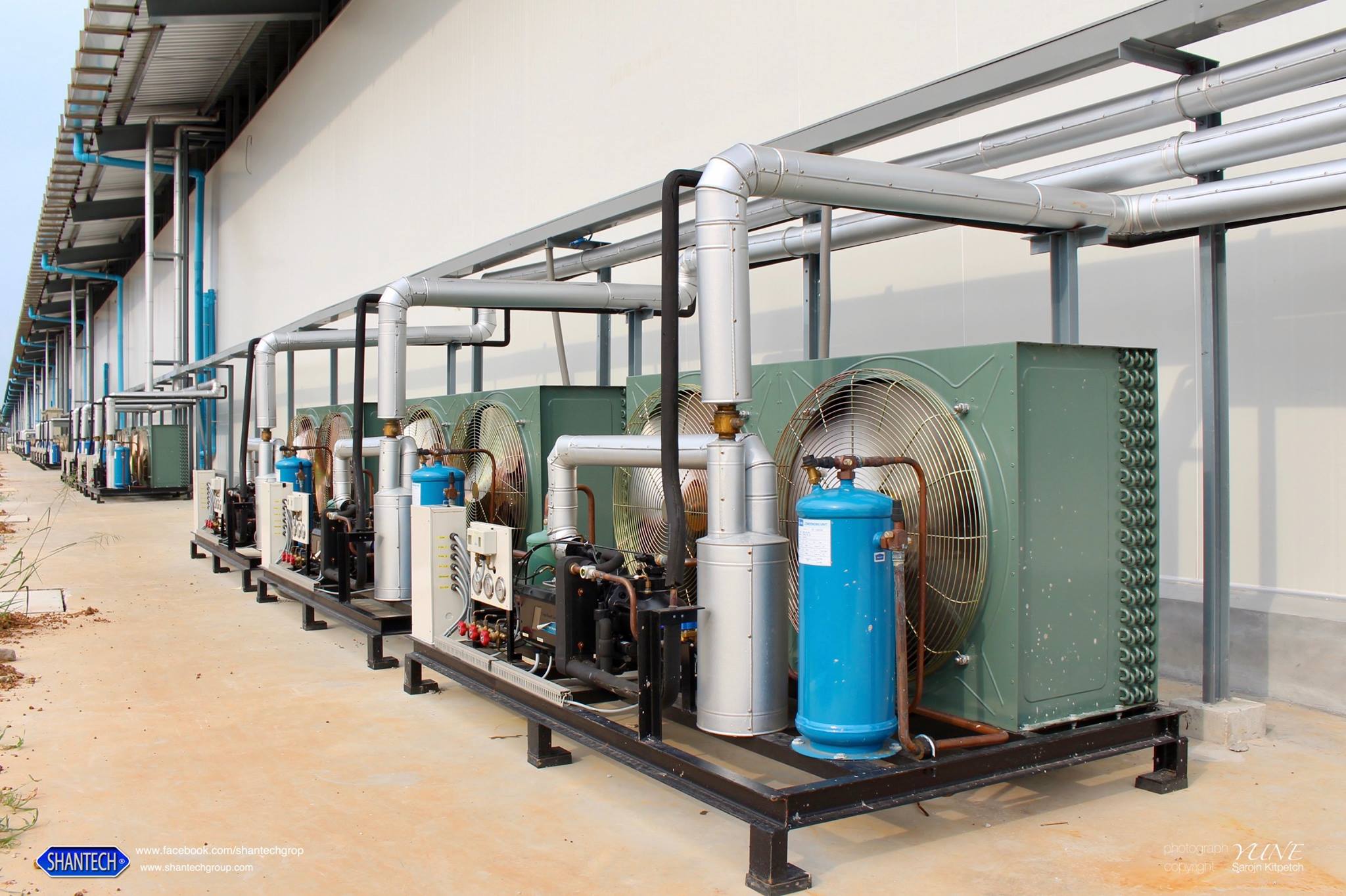
The condenser coil, commonly known as the hot fan located outside the building, functions to dissipate heat from the refrigerant. When the refrigerant passes through the compressor and is in a high-pressure vapor state, it flows to the condenser coil to condense the vapor back into liquid before continuing in the system.
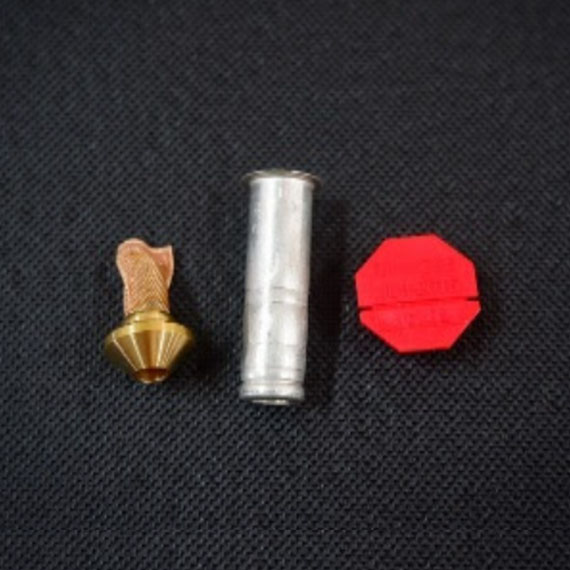
The cooling system component that reduces the pressure of the liquid refrigerant coming from the condenser coil. When the pressure drops, the temperature also drops, creating coldness that is sent to the evaporator coil to transfer cooling into the area.
As you can see, each cooling system component is equally important. A cooling system can work efficiently and perfectly only if it has standard and correctly applied equipment. ShanTech (Thailand) Co., Ltd. has over 20 years of experience and expertise in refrigeration equipment. We provide design and installation of cold rooms, cold storage systems, maintenance of cooling equipment, ice machines, and air conditioners nationwide, with full-service installation and after-sales support.
---------------------------------------------------------
Related Articles
- What Applications Are Cooling Systems Used For?
- Tips for Maintaining Cooling Systems
- Why Do Most Entrepreneurs Choose to Use Cold Storage Rooms?