
In an era where energy costs continue to rise, energy saving in the cooling systems is a key factor for sustainable business operations. Cooling systems are among the highest energy consumers in buildings and industrial plants. Understanding and applying correct energy-saving techniques can effectively reduce operating costs.
Energy monitoring is the crucial first step in planning energy savings. This begins with collecting detailed data on the cooling system’s energy consumption, including electricity usage, performance efficiency, and usage behavior. Installing continuous monitoring and data logging systems helps provide an overview of energy usage and clearly identify energy loss points.
Analyzing the collected data leads to setting targets and appropriate energy management plans. Factors such as system size, age, usage patterns, and environment should be considered. Detailed analysis enables precise evaluation of the cost-effectiveness of system upgrades or modifications.
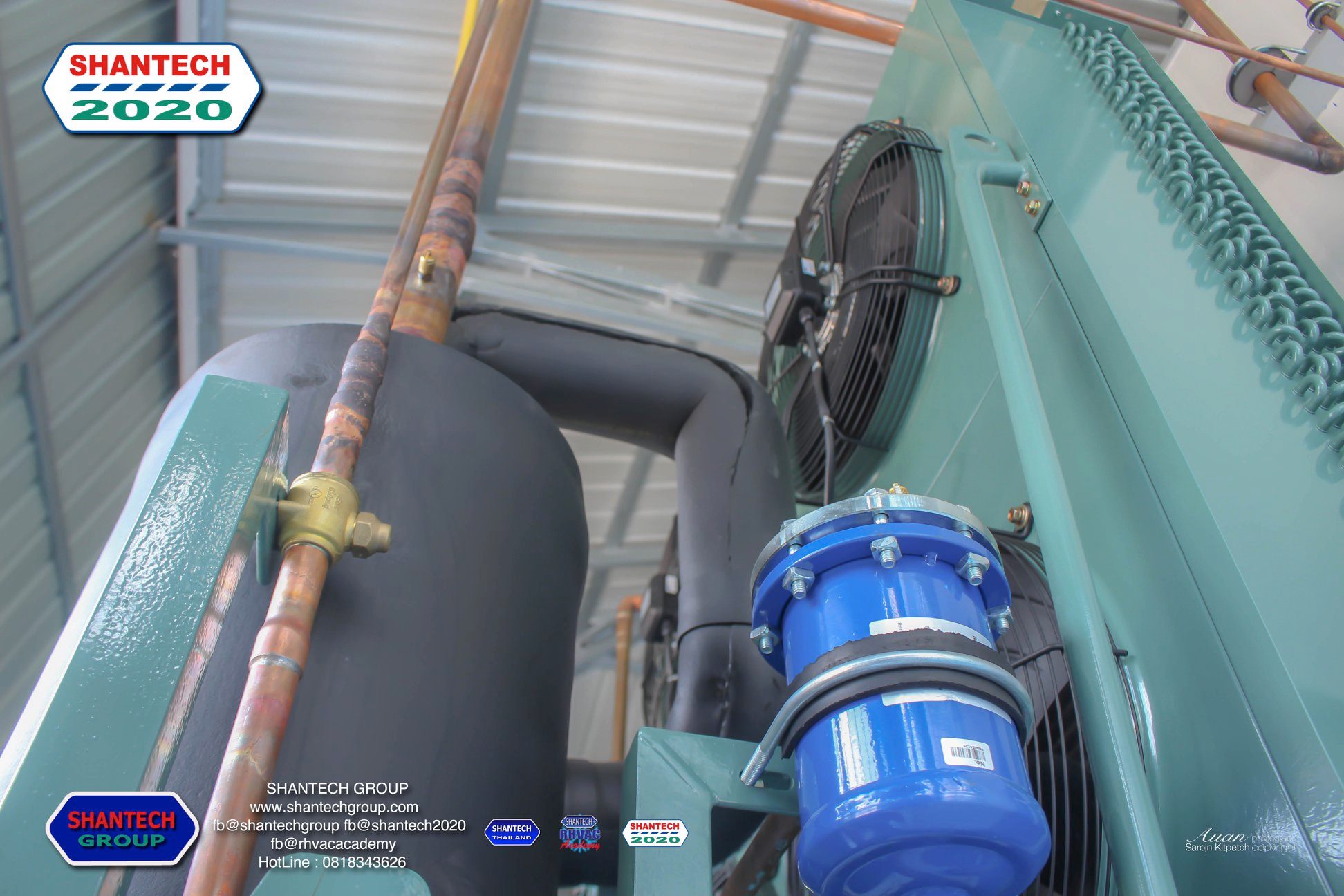
Regular maintenance of cooling systems is essential to maintain energy efficiency. Cleaning condenser and evaporator coils, checking and refilling refrigerant, and lubricating moving parts regularly help ensure optimal system performance. Additionally, inspecting and repairing any leaks in the chilled air ducts reduces unnecessary cooling loss.
Upgrading control systems is another method to improve efficiency. Installing programmable thermostats, motor speed controllers, and automated control systems allows the system operation to better align with actual cooling demands.
Modern energy-saving technologies play a vital role in enhancing the efficiency of cooling systems. Examples include inverter systems that adjust compressor speeds based on cooling loads, high-efficiency motors, and smart control systems to manage system operations.
High-efficiency cooling systems also incorporate advanced heat exchange technologies such as plate heat exchangers, which are more efficient than traditional tube-and-fin types. The use of absorption chillers, which utilize waste heat from production processes as an energy source, is another example.
Effective energy management involves not only equipment upgrades but also appropriate planning and usage management. Scheduling system operation times to match actual needs, zoning cooling areas, and setting proper temperature levels are effective ways to reduce energy costs.
Energy conservation also includes raising employee awareness and engagement. Training and educating staff on efficient energy use, setting clear energy-saving policies and targets, and continuously monitoring and evaluating performance are essential components.
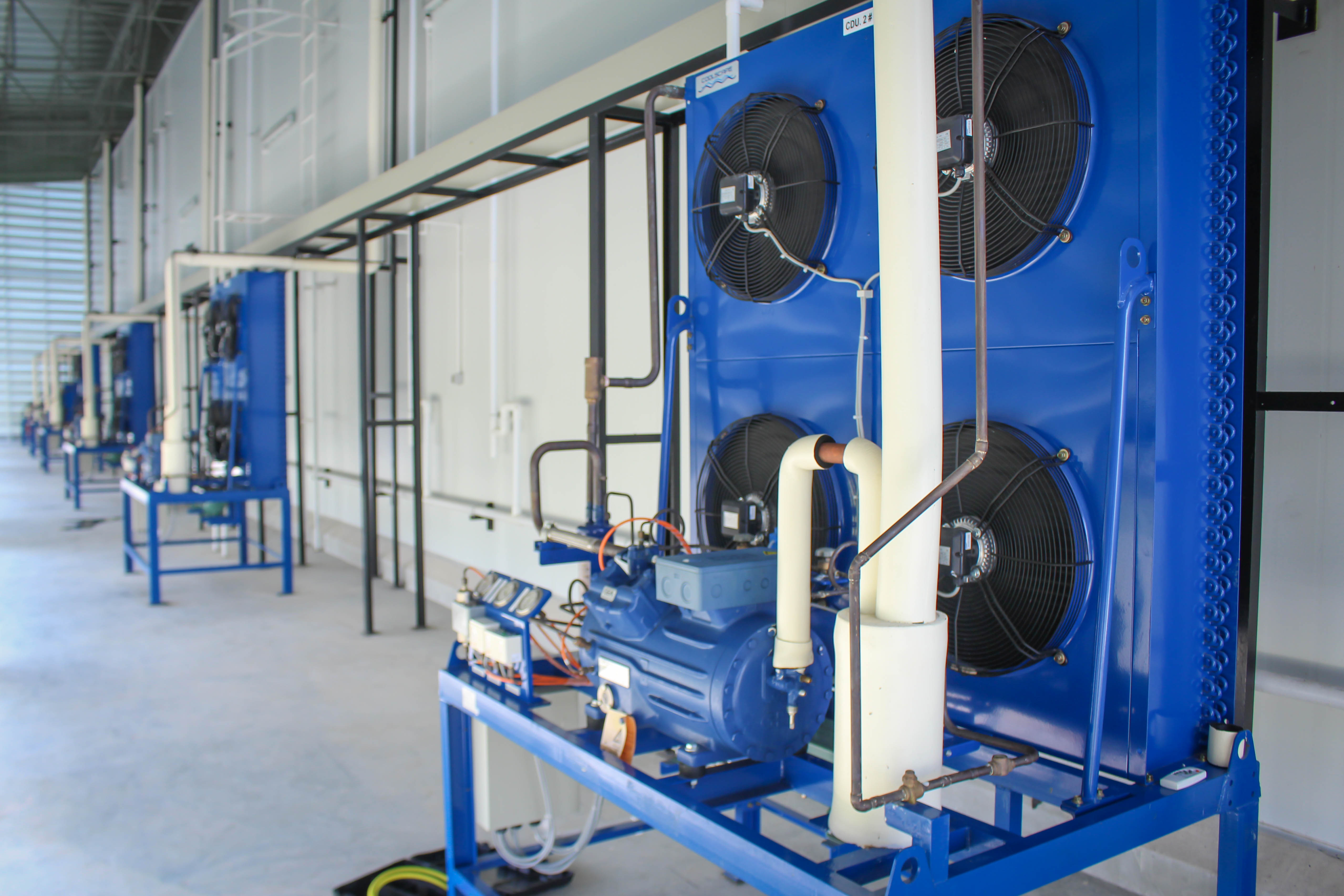
Energy saving in cooling systems requires systematic planning and execution, starting with energy usage monitoring and analysis, regular maintenance, adoption of modern technology, and effective management of usage. While initial investments in system improvements may be necessary, the long-term returns in cost savings and environmental benefits are worthwhile.
For businesses looking to start saving energy, it is advisable to first assess the current system status and set clear goals. Then, develop both short-term and long-term action plans considering investment value and implementation feasibility. Continuous monitoring and evaluation enable ongoing improvement and optimization of energy-saving measures.