
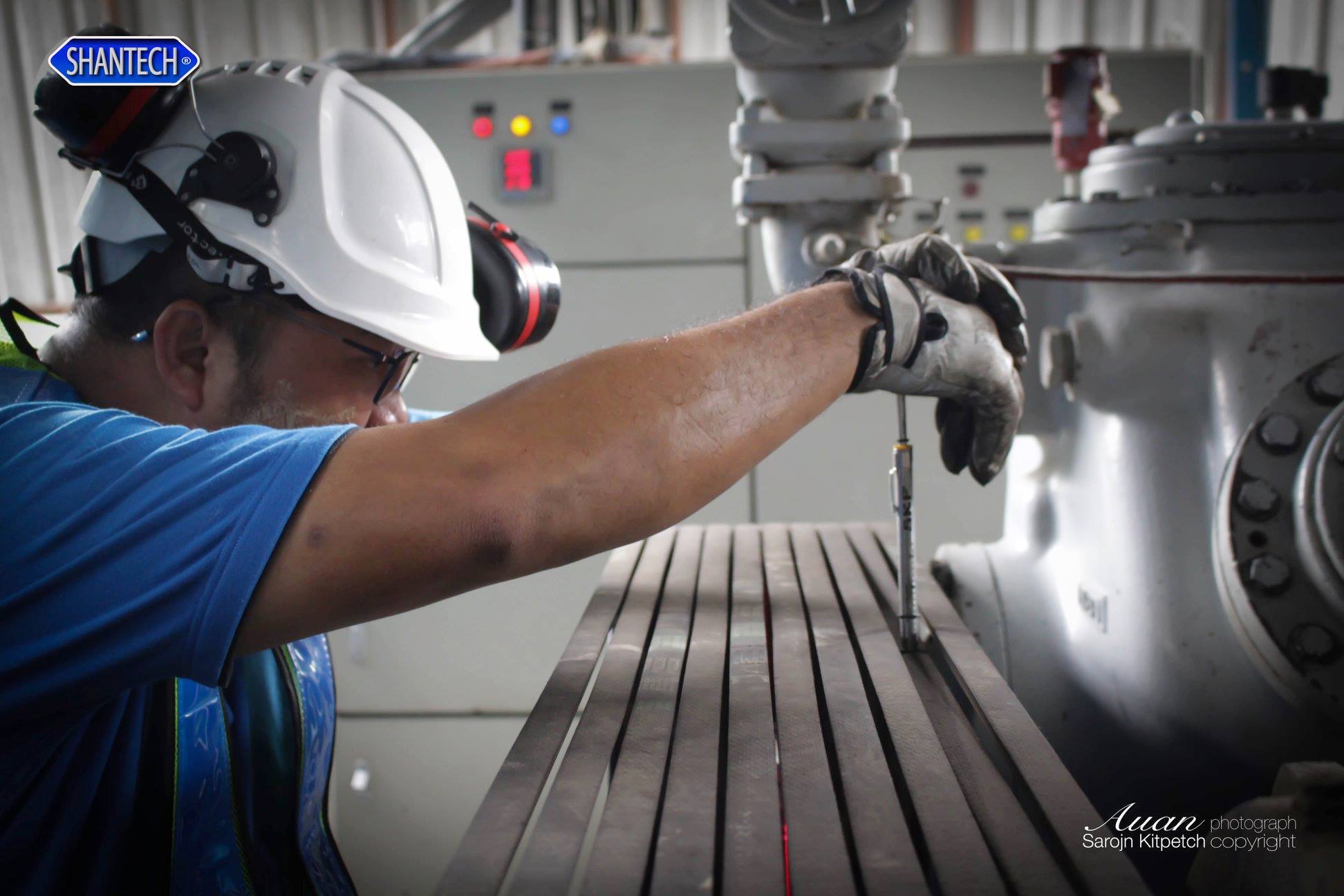
In an era of increasingly complex technology and industrial systems, preventive maintenance for cooling systems is essential to maintain performance and extend lifespan. Neglecting maintenance can lead to major issues impacting production and rising long-term costs. An effective preventive maintenance plan must cover all critical system components—from compressors and condensers to evaporators, control valves, and electronic systems—with expert technicians conducting regular checks and servicing on schedule.
– Check system temperatures and pressures—both high and low—to ensure operation remains within optimal ranges.
– Listen for unusual noises from compressors and fan motors; investigate and address immediately if any anomalies arise.
– Verify compressor oil levels are maintained appropriately to prevent damage from low lubrication.
– Clean condenser and evaporator coils to remove dust and debris and improve heat transfer efficiency.
– Inspect and clean drain lines to prevent blockages and leakage.
– Use leak detectors to check for refrigerant leaks.
– Calibrate temperature and humidity control systems for precise operation.
– Measure electrical current and voltage on motors and compressors to assess performance conditions.
– Clean heaters used in defrosting cycles.
– Analyze oil quality within the system and replace if necessary.
– Calibrate and validate all measuring and control devices.
– Test safety systems and protective devices to confirm they function according to standards.
– Provide appropriate personal protective equipment (PPE) for maintenance personnel.
– Install alarms to detect refrigerant leaks.
– Develop and regularly rehearse emergency response procedures.
– Maintain detailed logs of all maintenance and repairs.
– Generate regular performance and energy usage reports.
– Keep user manuals and technical documents readily accessible.
– Train staff on basic cooling system principles.
– Provide instruction on the proper use of diagnostic tools and measuring instruments.
– Enhance skills in basic issue detection and troubleshooting.
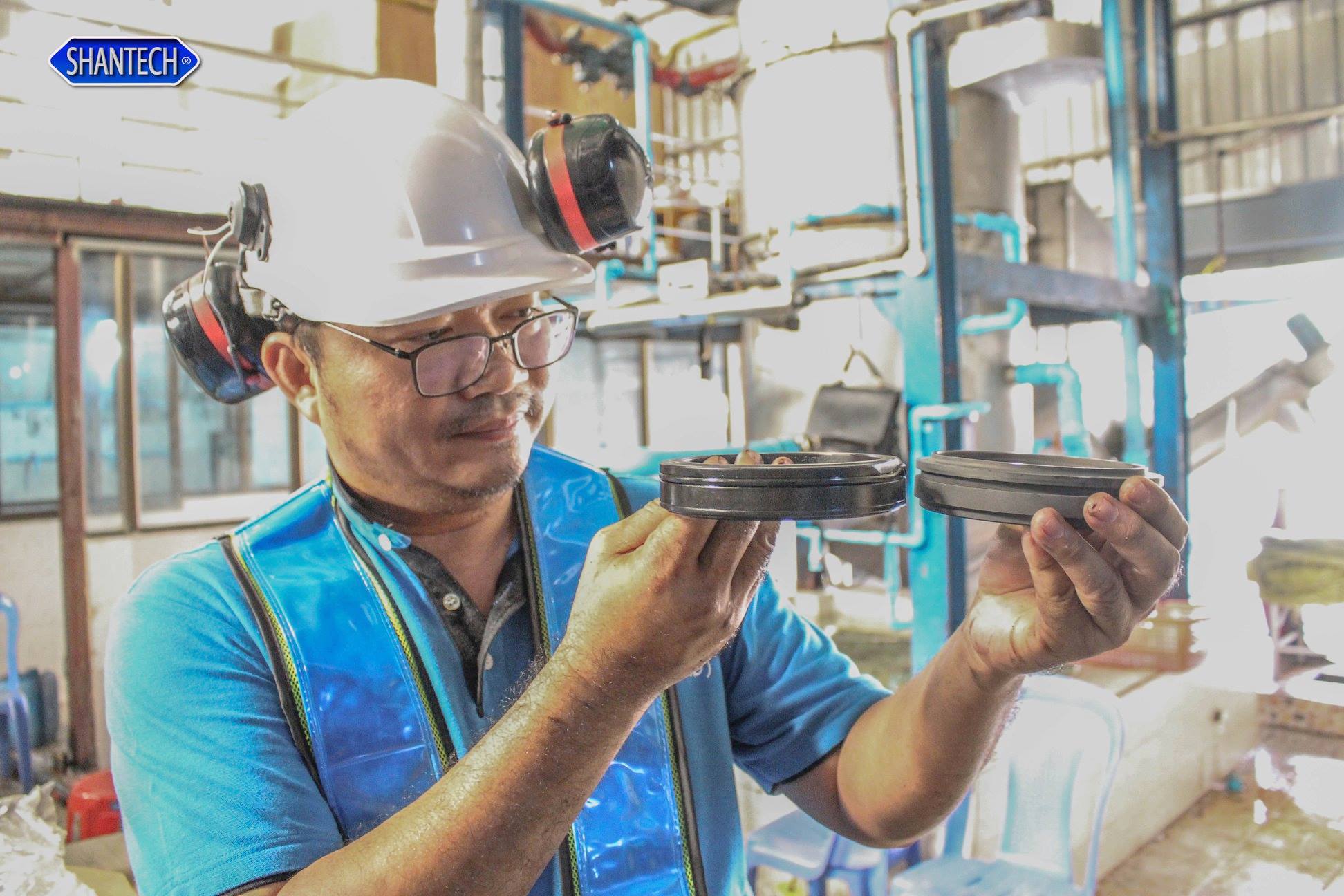
Effective preventive maintenance requires strong administrative support including sufficient budgets and resources. Recognizing the importance of cooling system maintenance and investing in prevention helps lower long-term costs, reduce risk of production interruptions, and extend system lifespan. Following a structured and continuous preventive maintenance approach enables organizations to maintain system efficiency, avoid emergency repairs, and ensure consistent operations. Ultimately, investing in preventive maintenance is a prudent and essential commitment to sustainable business operations.