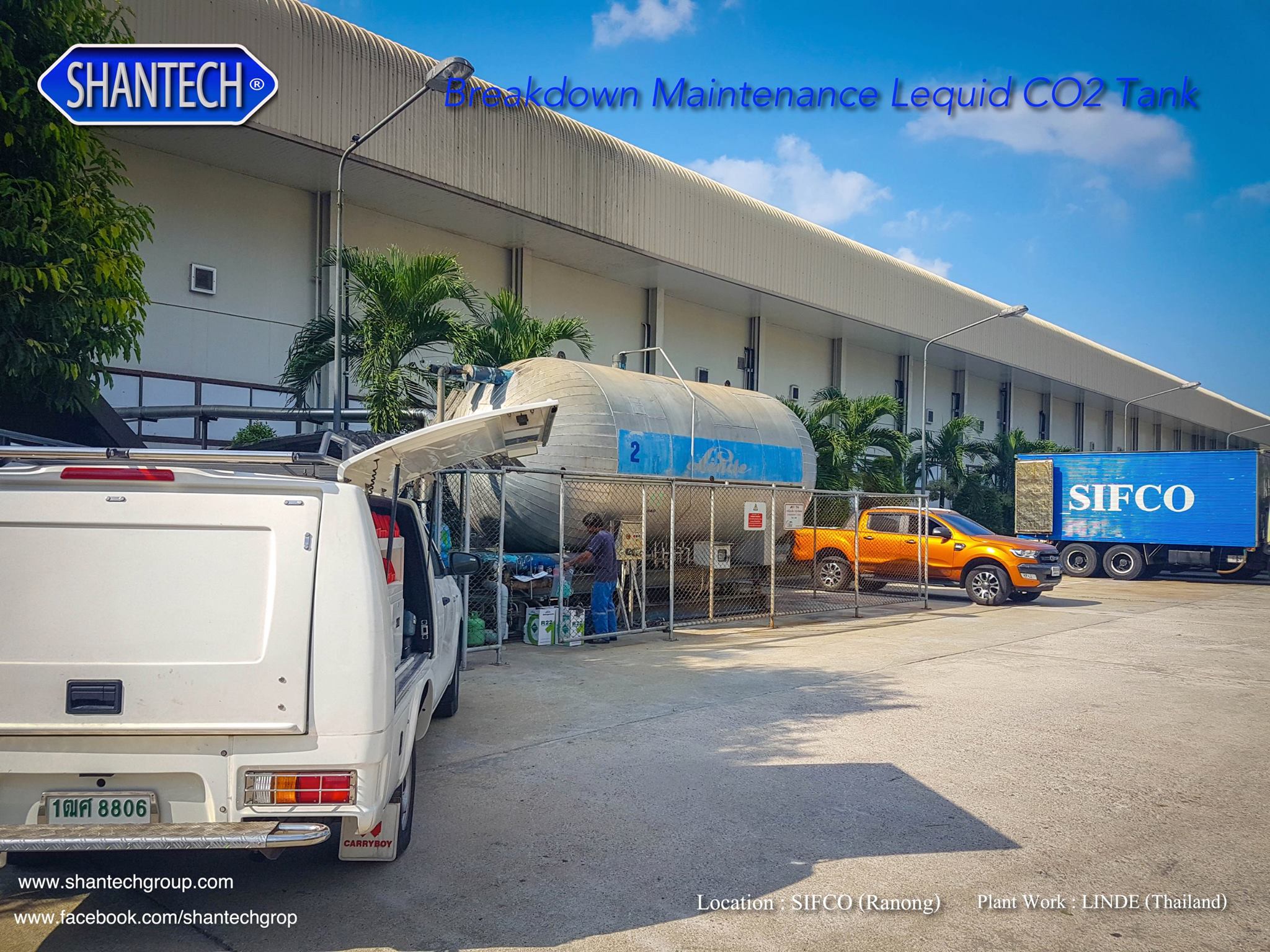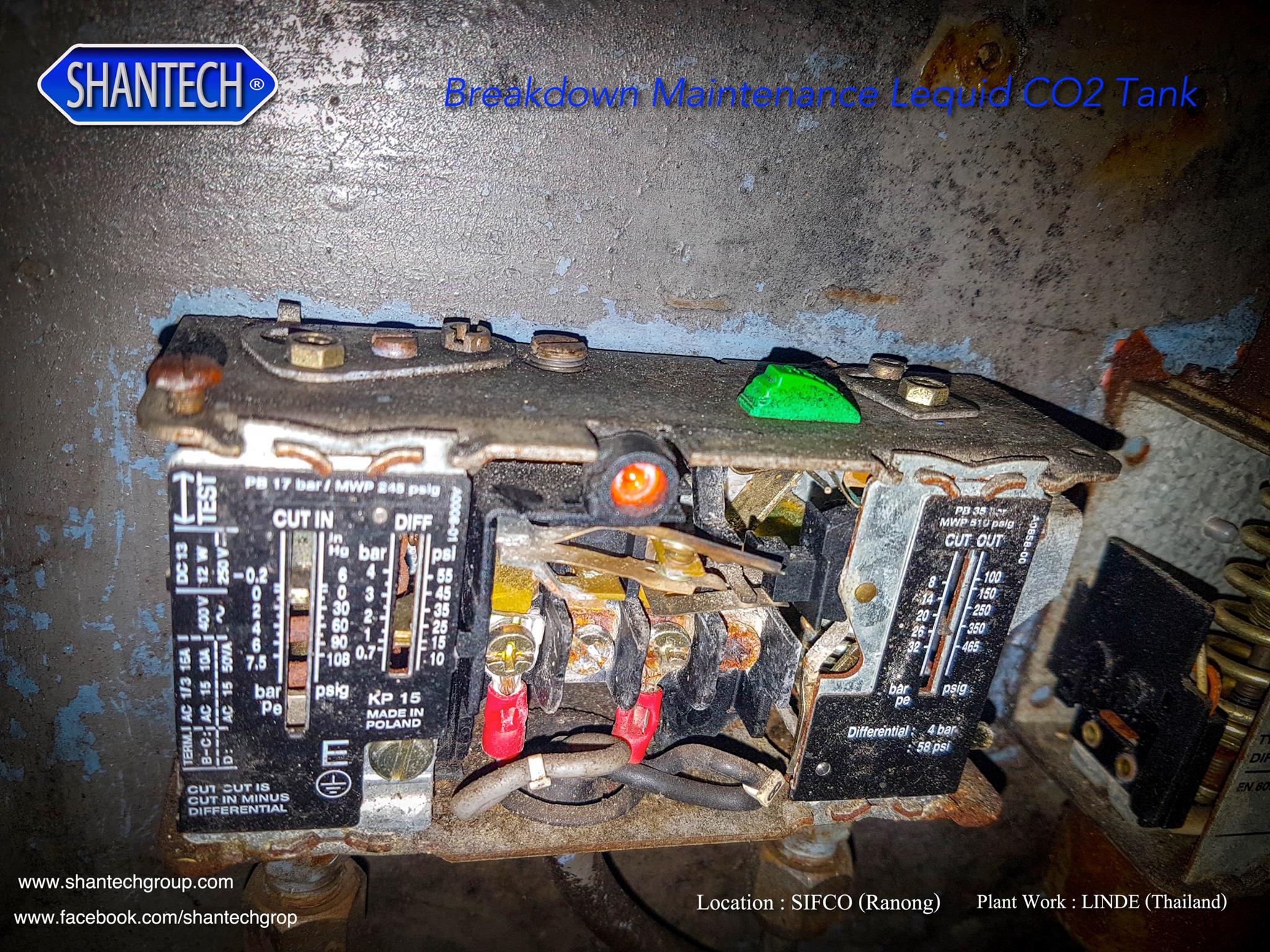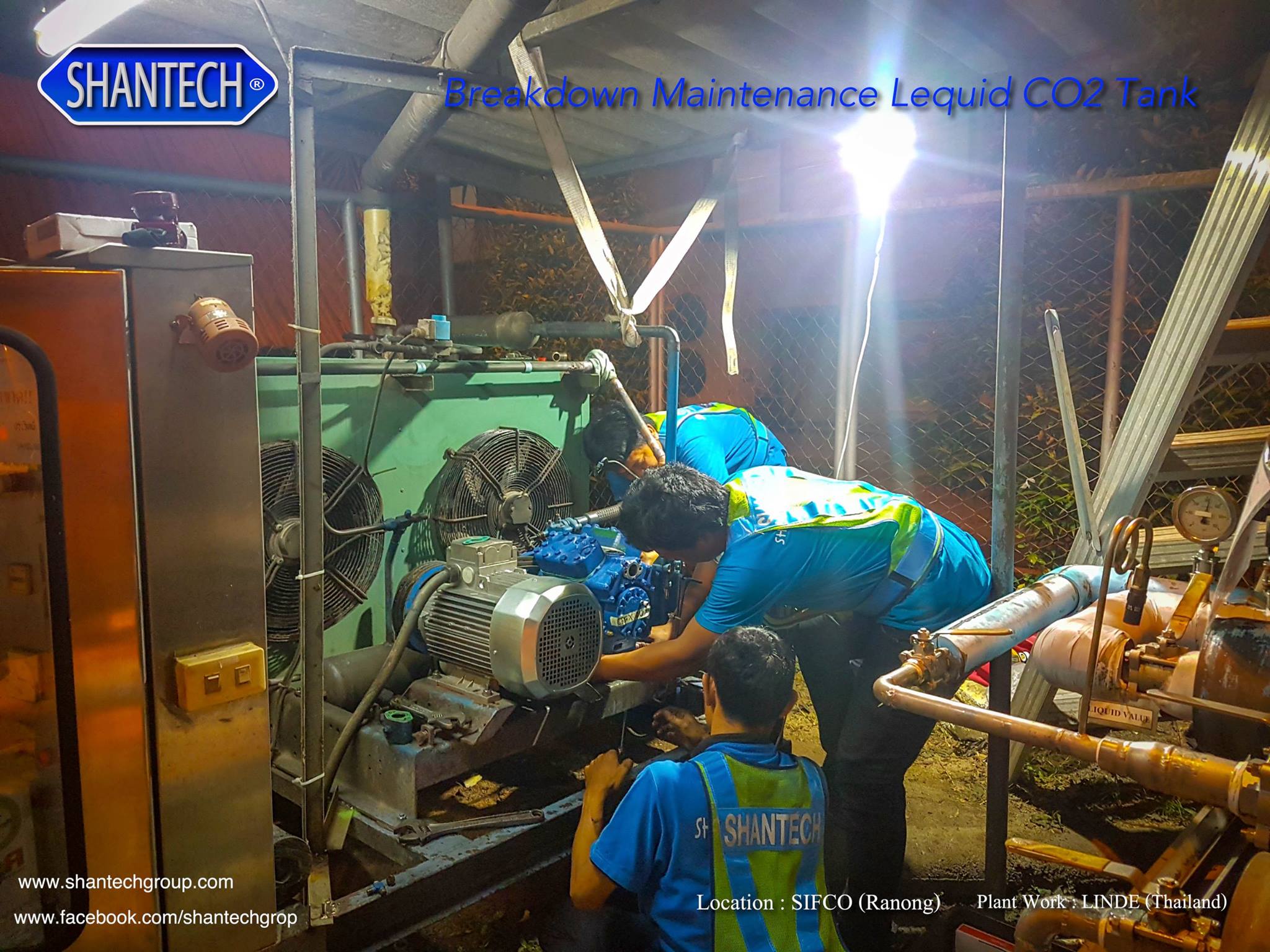
Post-failure maintenance for Liquid CO₂ tanks refers to an emergency or on-demand service required when a liquid CO₂ storage tank or its related system malfunctions, shuts down, or shows abnormal operating conditions that may affect performance or safety.
This service focuses on rapid fault diagnosis, timely repairs, and restoration of the tank’s functionality to normal working conditions.
Typical issues include CO₂ leakage, abnormal pressure levels, faulty control mechanisms, or other failures that disrupt the CO₂ supply and system stability.
Key Features of Liquid CO₂ Tank Post-Failure Maintenance
A high-quality service begins with a team of certified and experienced technicians who specialize in high-pressure CO₂ systems and adhere to international safety standards.
They possess in-depth knowledge of the design, structure, and components of liquid CO₂ tanks and are fully equipped with diagnostic tools to handle urgent repairs.
Fast Response and Downtime Minimization
In any CO₂ system failure, time is critical.
The service provider must be able to deploy technical teams promptly to the site to reduce downtime and restore operations quickly.
Equipped with modern diagnostic tools and spare parts, technicians can identify root causes with precision and perform on-site corrective actions.
Comprehensive Repair Capability
The maintenance service covers a wide range of potential issues — including pressure regulation, temperature control, leak detection and repair, valve and control system faults, and safety device calibration.
After each repair, the system undergoes thorough testing and inspection to ensure safe and efficient operation in compliance with safety standards.
Benefits of Post-Failure Maintenance for Liquid CO₂ Tanks
1. Reduced Downtime and Business Losses
Quick and accurate troubleshooting allows CO₂-dependent production or cooling systems to resume operations rapidly, minimizing production loss and financial impact.
2. Enhanced Workplace Safety
CO₂ leaks or overpressure events pose serious hazards.
Prompt intervention by qualified technicians mitigates risks to personnel and property, ensuring a safe working environment.
3. Extended Equipment Lifespan
Properly addressing root causes prevents damage from spreading to other system components, helping to extend the service life of tanks, valves, and piping systems.
4. Improved Preventive Maintenance Planning
Data collected from post-failure services can be analyzed to identify recurring issues, providing valuable insights for future preventive maintenance planning and reducing the likelihood of repeated failures.