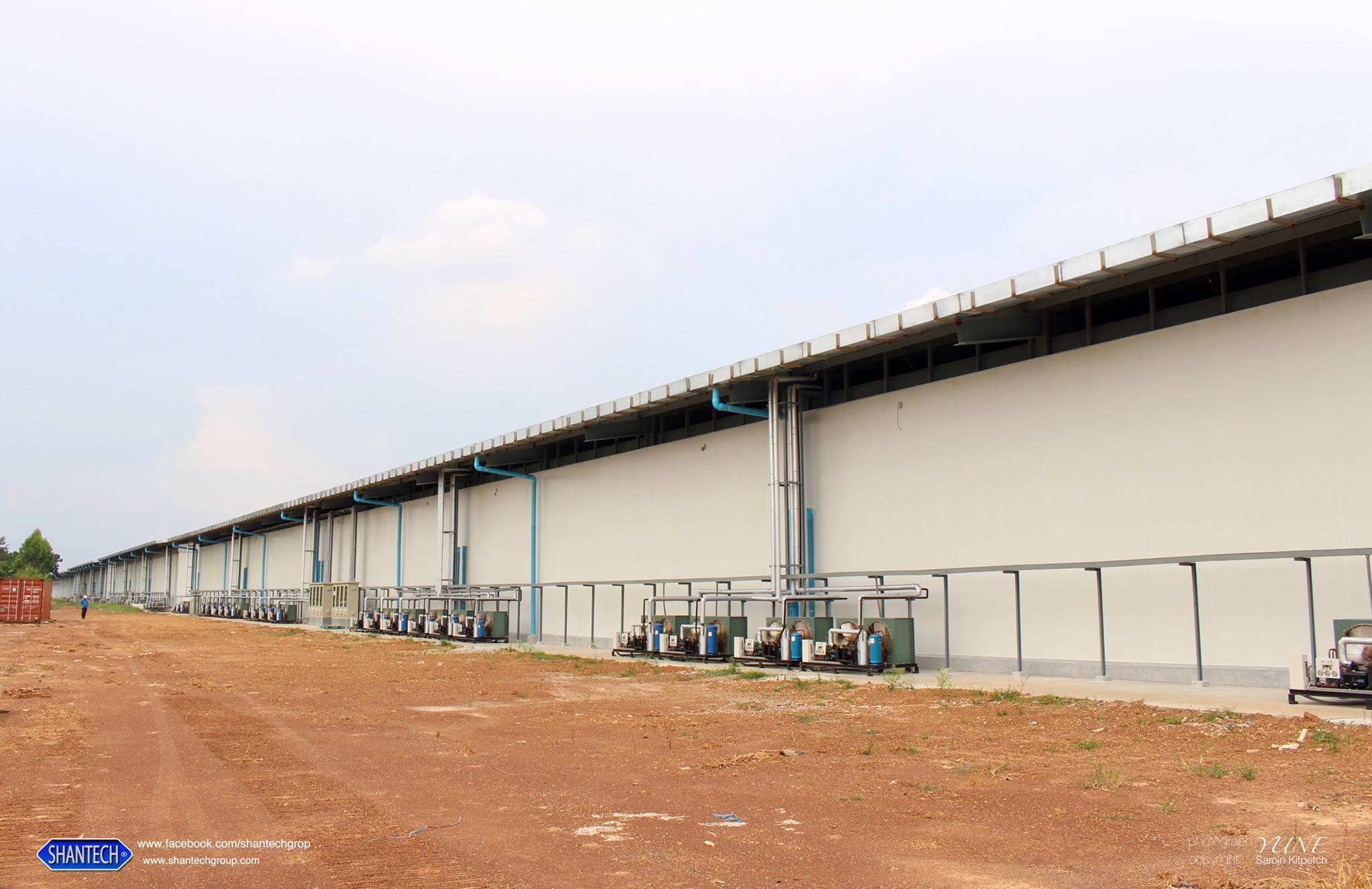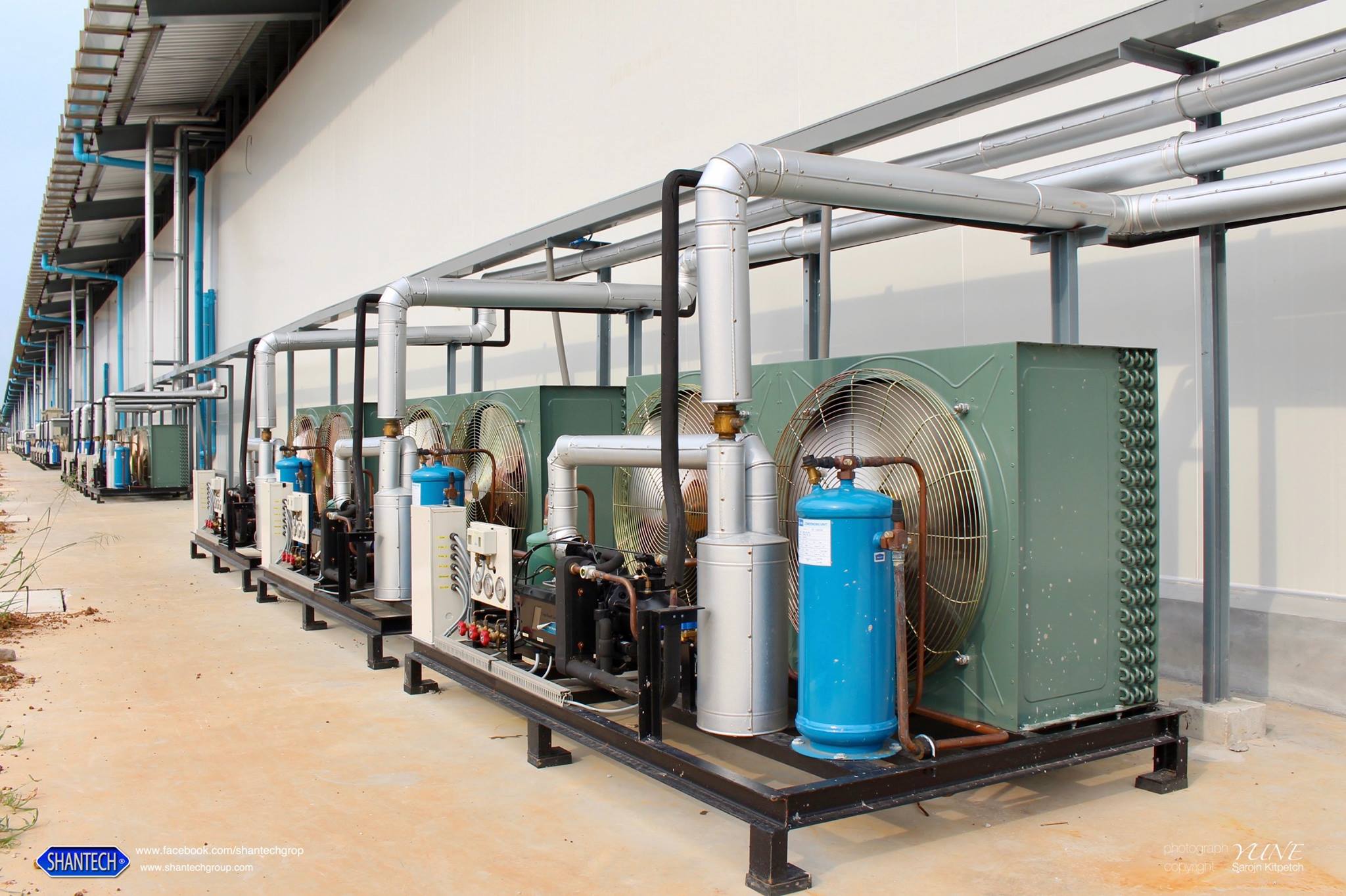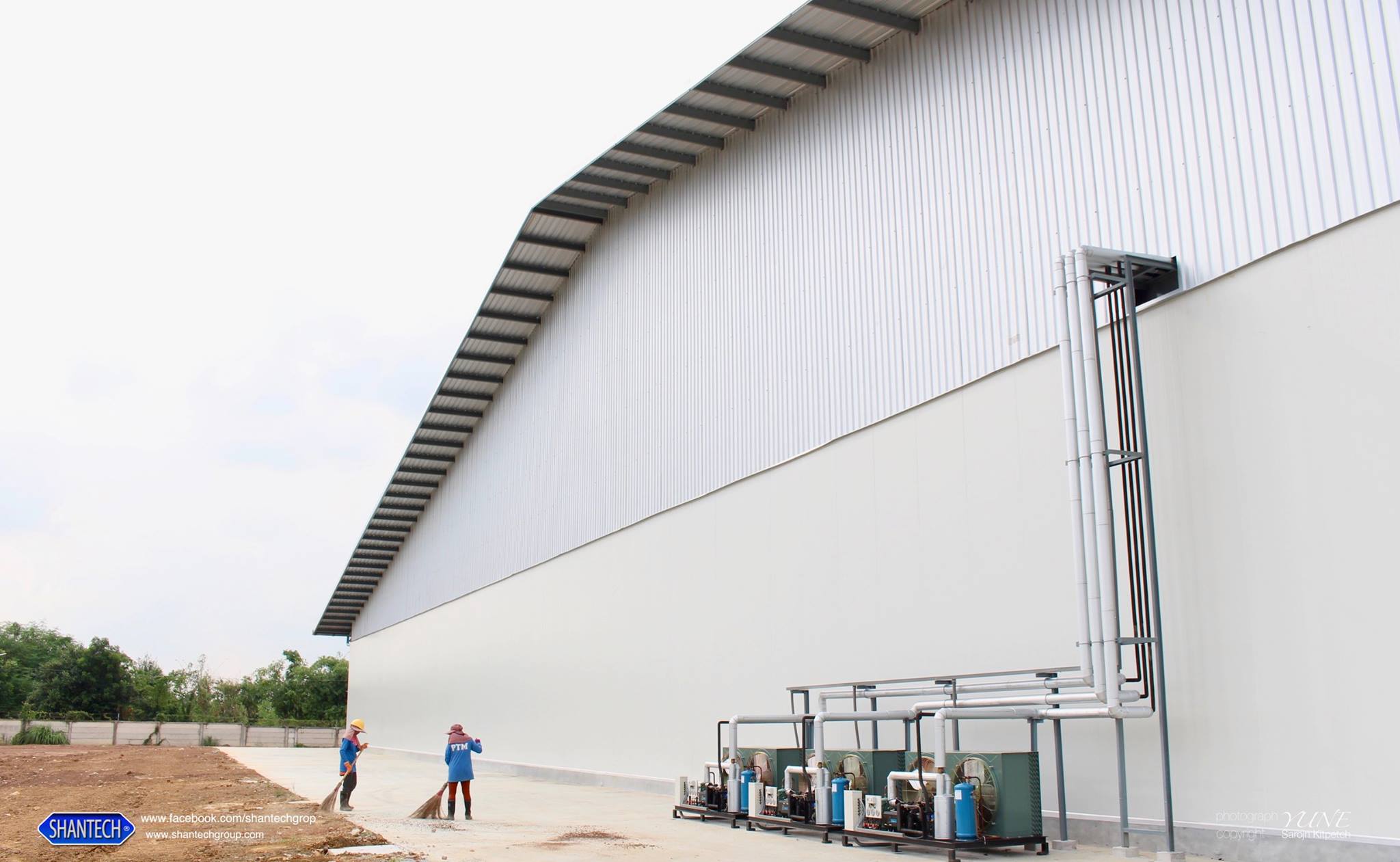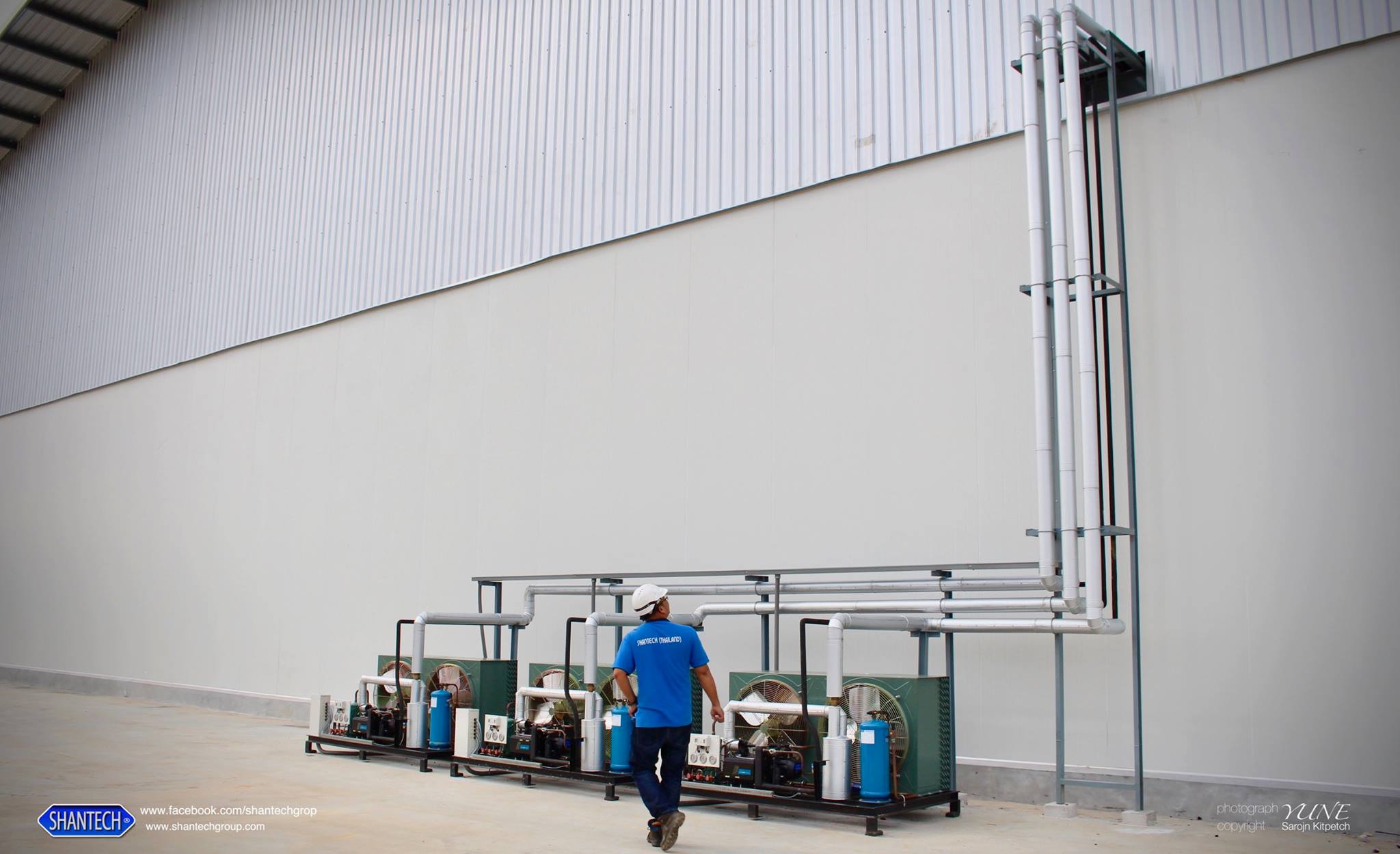
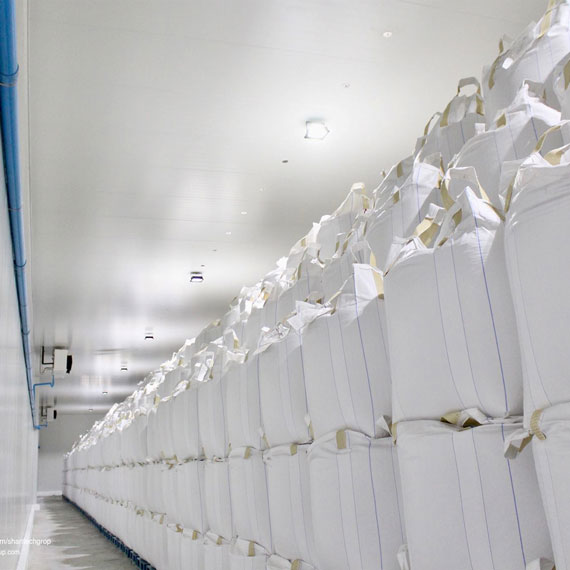
A fruit and vegetable cold storage room is a temperature- and humidity-controlled facility — and in some cases, it includes Controlled Atmosphere (CA) technology to regulate oxygen (O₂), carbon dioxide (CO₂), and nitrogen (N₂) levels.
Its main purpose is to slow down respiration and ripening processes that cause deterioration in produce.
Unlike frozen storage, fresh fruits and vegetables continue to respire after harvest, so a well-designed storage room must maintain a carefully balanced environment to preserve freshness and quality.
Key Features of Fruit and Vegetable Cold Storage Rooms
A properly designed cold room for produce must ensure precise and stable temperature control, typically ranging between 0°C and 15°C, depending on the crop type.
This stability slows down enzymatic and microbial activity, preventing spoilage and maintaining product quality.
Temperature consistency is crucial — fluctuations can cause chilling injury or accelerate decay.
Equally important is humidity control, typically maintained between 85% and 95% relative humidity to prevent dehydration and weight loss.
Low humidity can cause wilting and shrinkage, so systems often include humidifiers or custom-designed cooling systems to balance moisture.
For certain products, Controlled Atmosphere (CA) technology is used — regulating oxygen, carbon dioxide, and nitrogen levels to reduce respiration and suppress ethylene production, a natural gas that accelerates ripening.
CA systems can significantly extend the shelf life of fruits and vegetables compared to temperature and humidity control alone.
The room structure plays a vital role in energy efficiency and performance.
Walls are typically constructed with high-quality insulation panels (PU or PIR sandwich panels) to minimize heat transfer.
A well-designed air circulation system ensures uniform temperature and humidity distribution, preventing hotspots and maintaining consistent cooling throughout the space.
Benefits of Fruit and Vegetable Cold Storage
Extended Shelf Life
Proper storage conditions can significantly prolong the post-harvest life of fruits and vegetables, reducing losses and allowing producers to manage sales and distribution schedules more effectively.
Preserved Freshness and Nutritional Value
Optimal environmental control maintains natural color, taste, texture, and nutritional quality, ensuring products remain visually appealing and market-ready.
Reduced Post-Harvest Losses
Controlled temperature and humidity slow the growth of mold and bacteria, reducing spoilage and weight loss caused by water evaporation.
Improved Production Flexibility and Pricing Control
Farmers and distributors can store products to wait for better market prices or plan gradual distribution, avoiding the need for rapid bulk sales at low prices.
Added Product Value
Delivering consistently fresh, high-quality produce even after extended storage enhances competitiveness and profitability for agribusinesses.