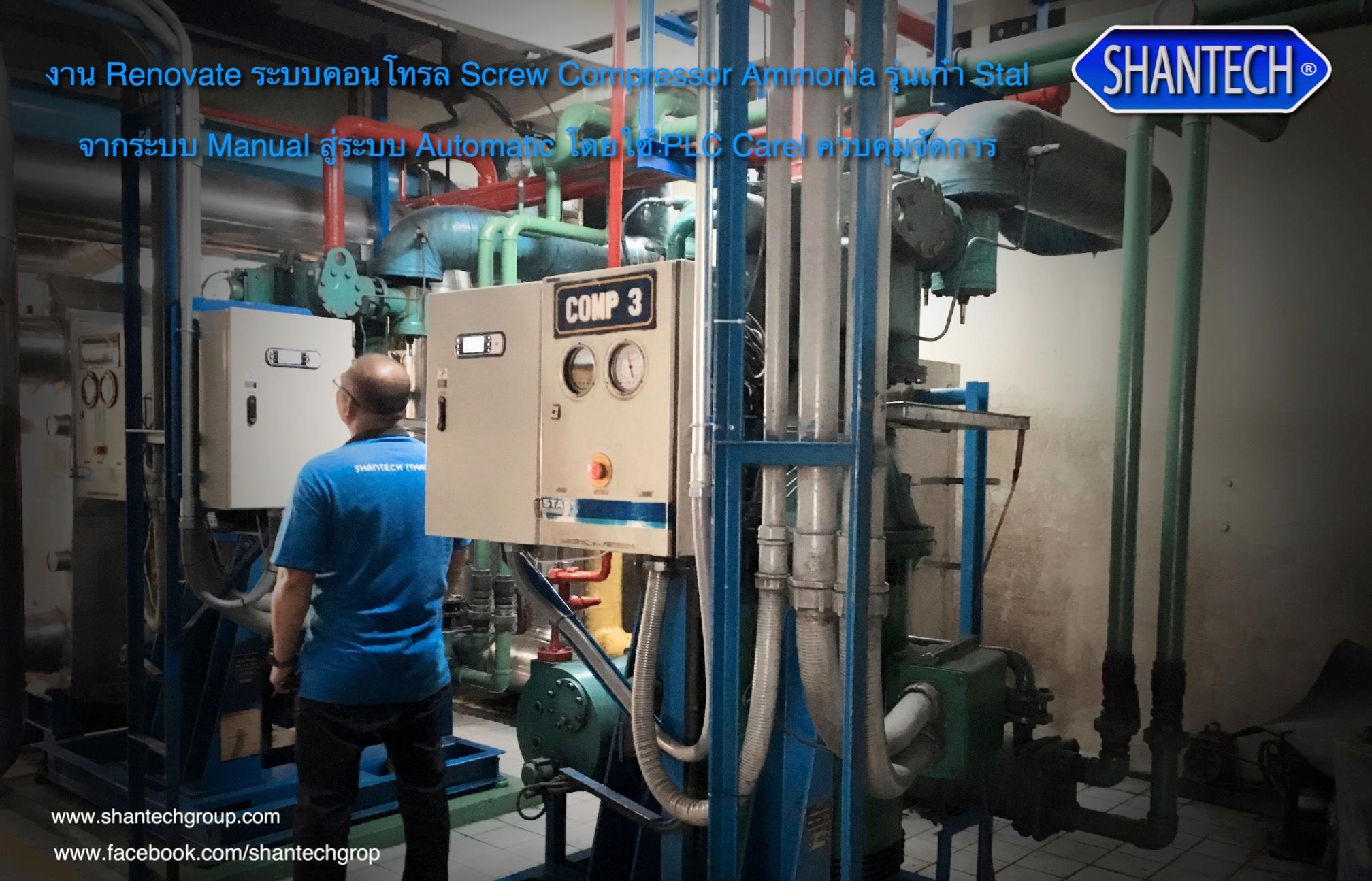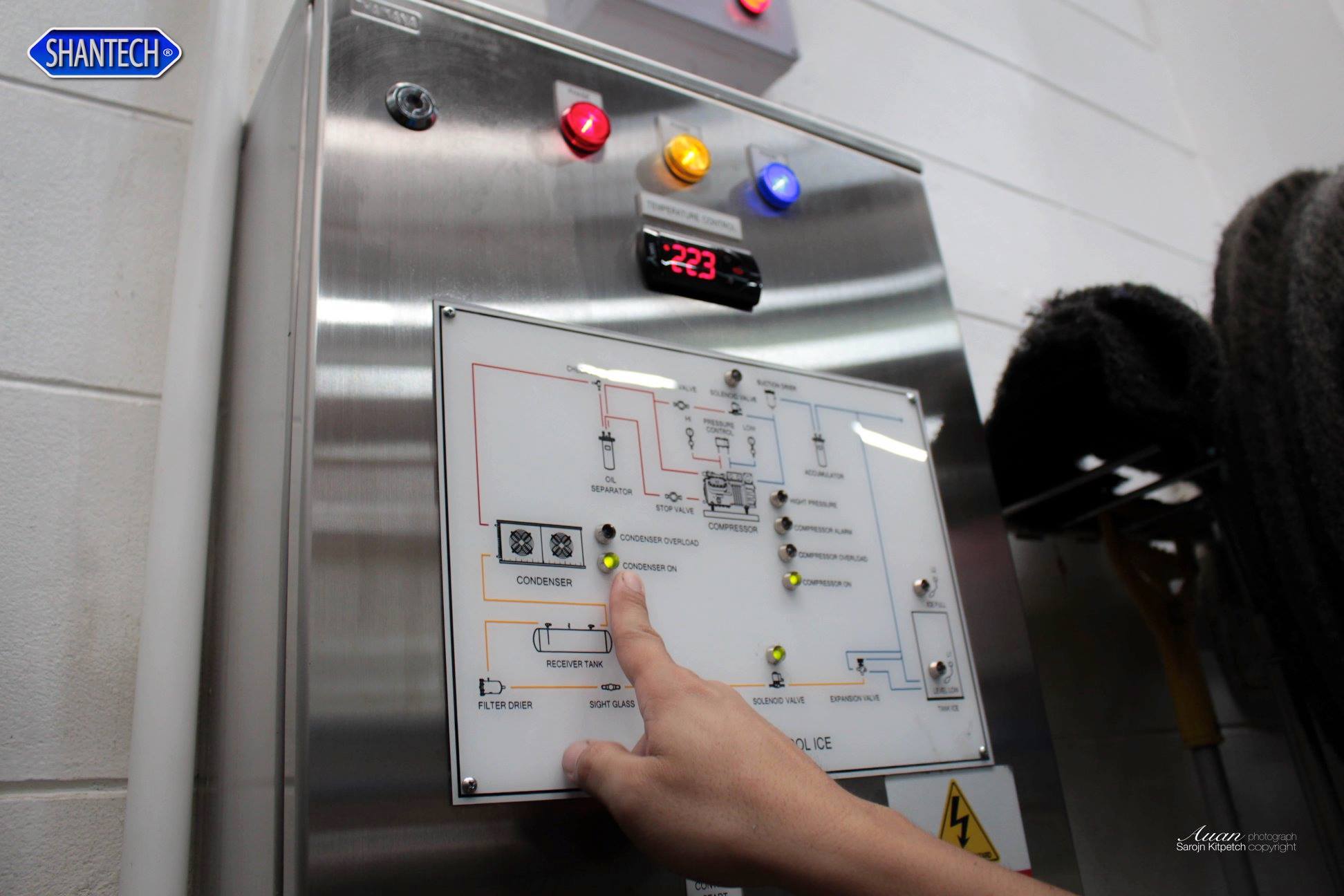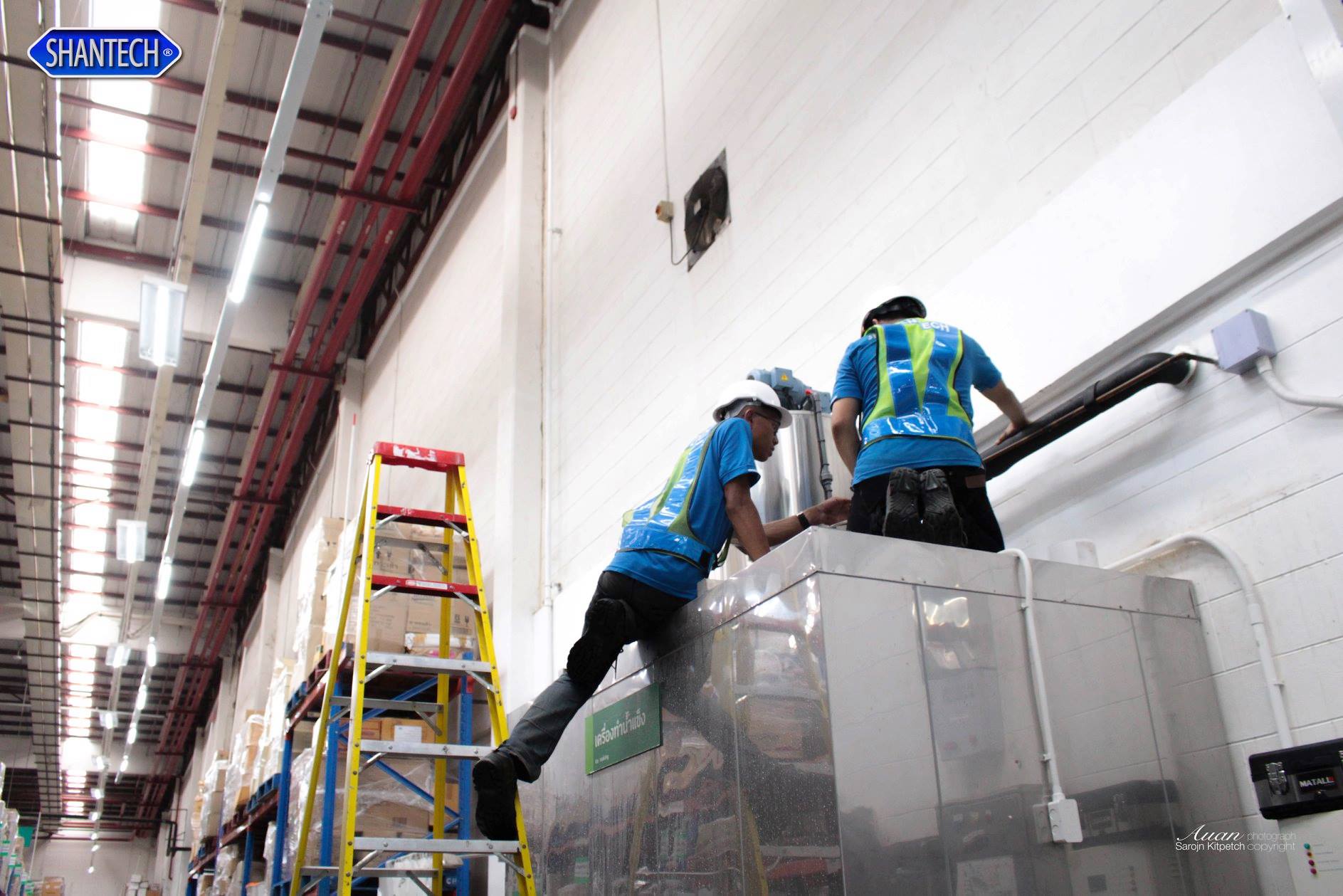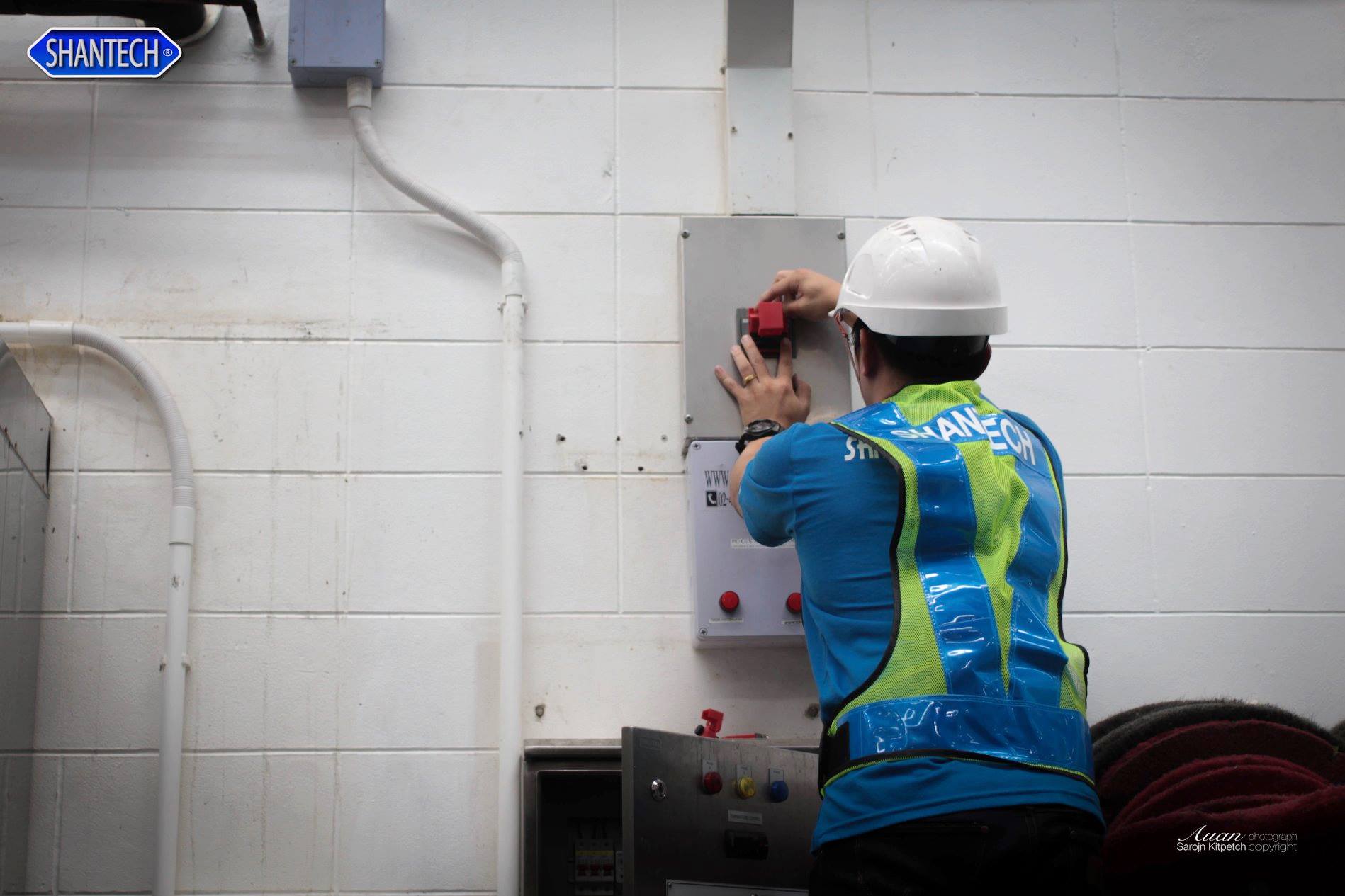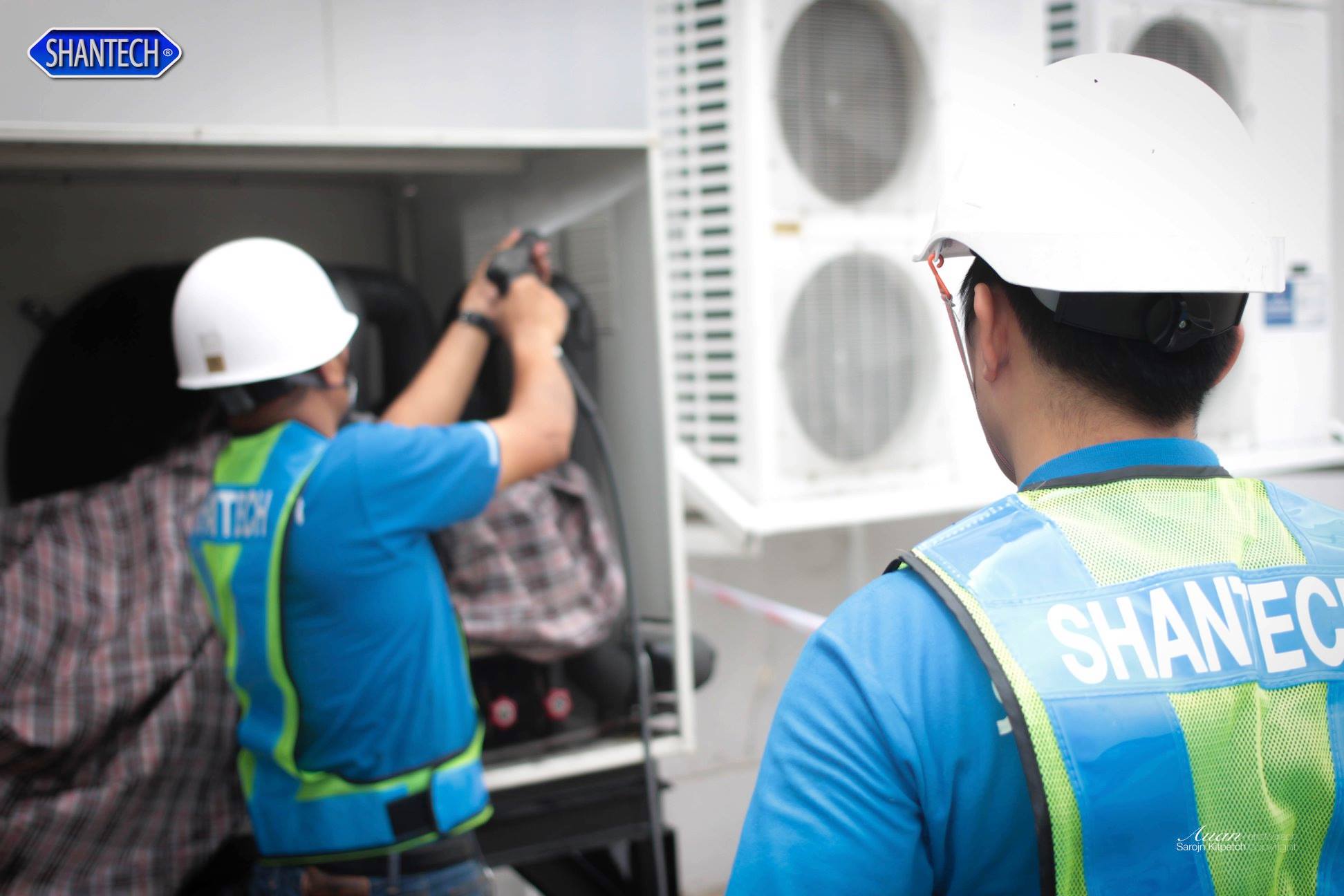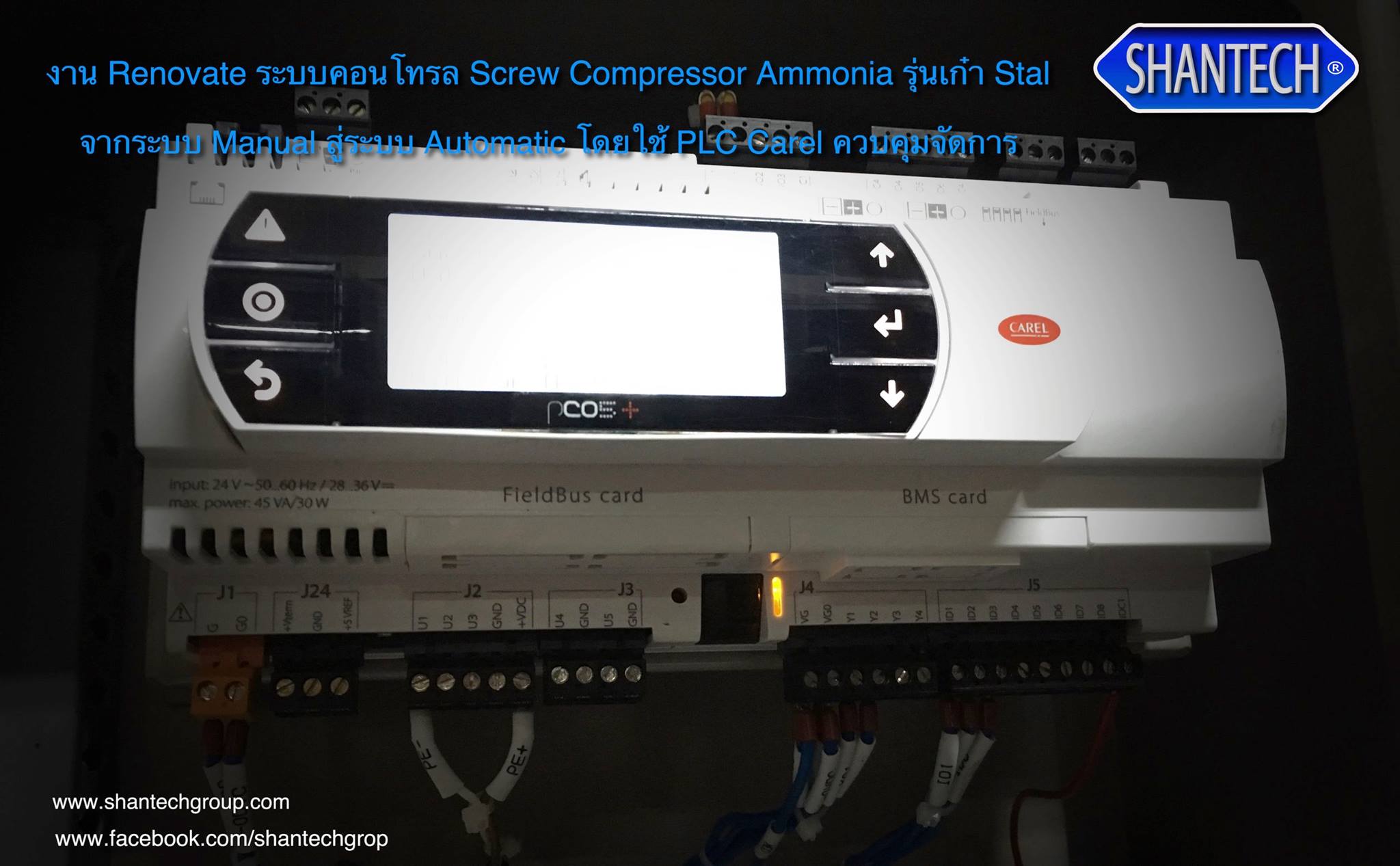
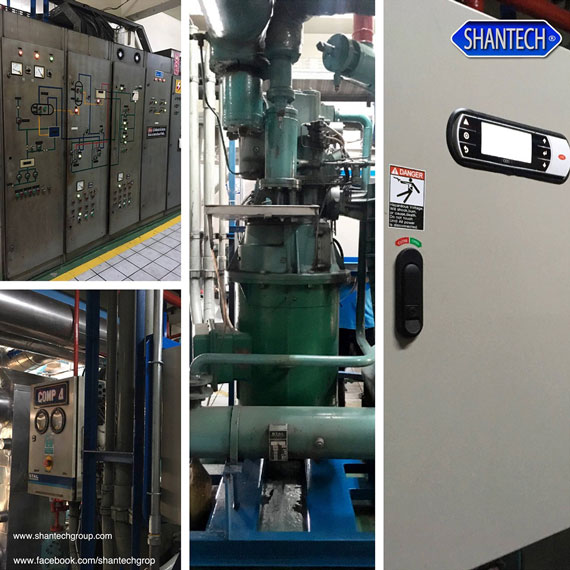
Control system renovation is the process of upgrading or replacing key components within an existing control system. This may include PLCs (Programmable Logic Controllers), HMIs (Human Machine Interfaces), SCADA systems, sensors, or drives such as VFDs (Variable Frequency Drives) — even complete rewiring if necessary.
The renovation aims to enhance operational efficiency, precision, and reliability while minimizing power consumption, system errors, and maintenance costs.
It also enables integration with new technologies, real-time data monitoring, and extended system lifespan — allowing existing machinery to continue performing efficiently for years to come.
Key Features of a Successful Control System Renovation
A professional control system renovation begins with comprehensive system analysis and design.
Our expert engineering team thoroughly evaluates the existing setup, identifies weaknesses, and develops tailored solutions that align with each project’s objectives and budget.
We carefully select advanced technologies and components such as modern PLCs, HMIs, sensors, and network systems — ensuring optimal compatibility and performance.
Our service emphasizes the adoption of next-generation control technology, offering superior processing capability, flexibility, and enhanced connectivity — including integration with IoT (Internet of Things) or Cloud platforms.
The upgraded system ensures seamless communication with existing equipment and higher-level management systems such as MES (Manufacturing Execution Systems) or ERP (Enterprise Resource Planning) for real-time synchronization and centralized control.
Professional execution also covers installation, calibration, and system fine-tuning, ensuring the renovated control system operates precisely as designed.
We additionally provide operator and technician training, enabling your in-house team to effectively operate, troubleshoot, and maintain the new system.
Benefits of Control System Renovation
Enhanced Efficiency and Productivity
Upgrading to a modern control system significantly improves operational speed, precision, and reliability — increasing production output and maintaining consistent quality standards.
Energy Savings and Cost Reduction
Intelligent control algorithms and energy-efficient hardware (e.g., VFD motor control) help reduce unnecessary energy use and minimize operating costs.
Extended Equipment Lifespan
Rather than replacing entire machines, control system upgrades restore and improve the performance of existing equipment, extending its operational life and protecting prior investments.
Data Accessibility and Real-Time Monitoring
The new system enables detailed, real-time performance tracking. This data supports preventive maintenance, fault analysis, and better decision-making for management and engineers.
Improved Adaptability and Competitiveness
With modular and programmable design, the renovated system supports future upgrades, additional functionalities, and quick adaptation to changing market or production requirements.