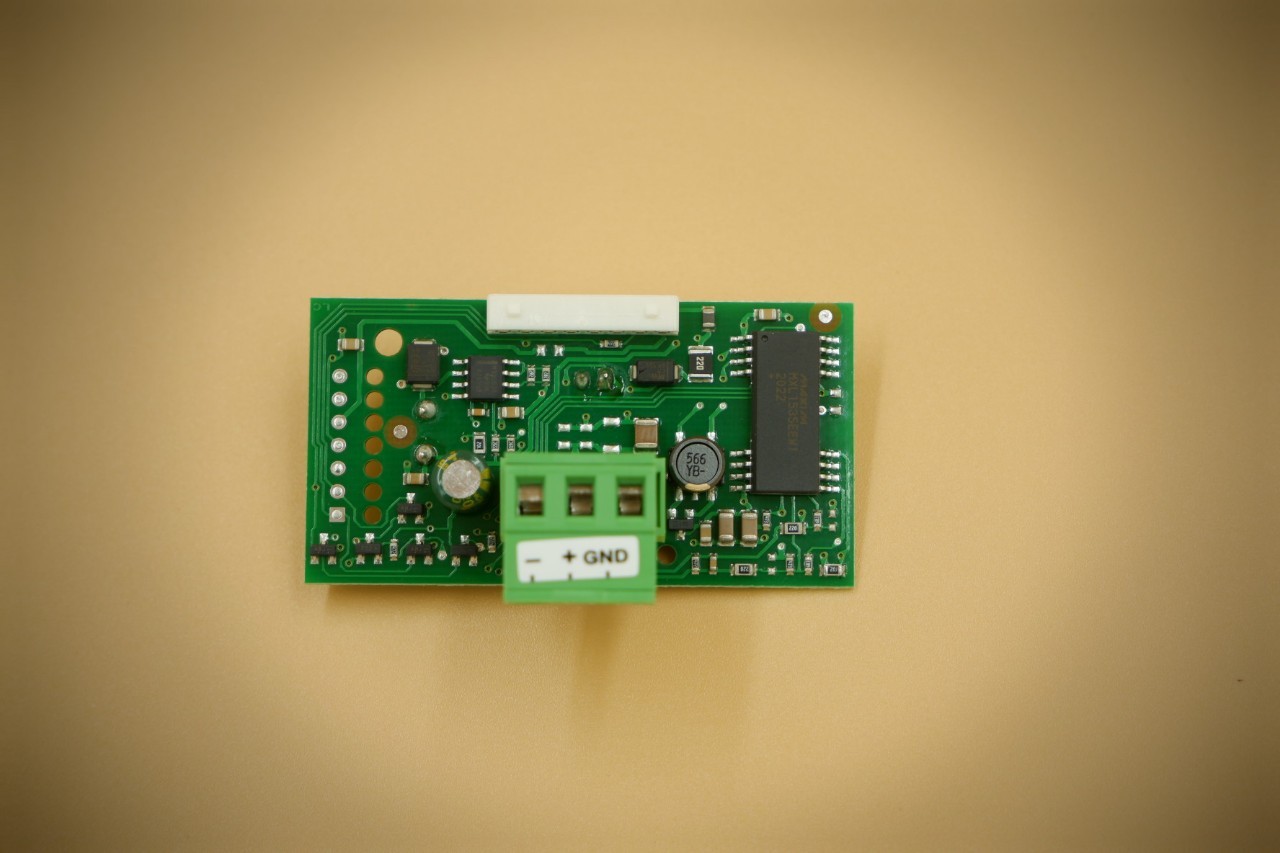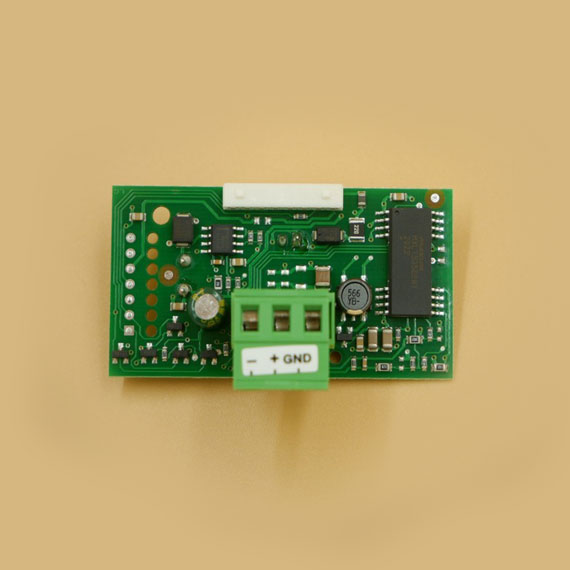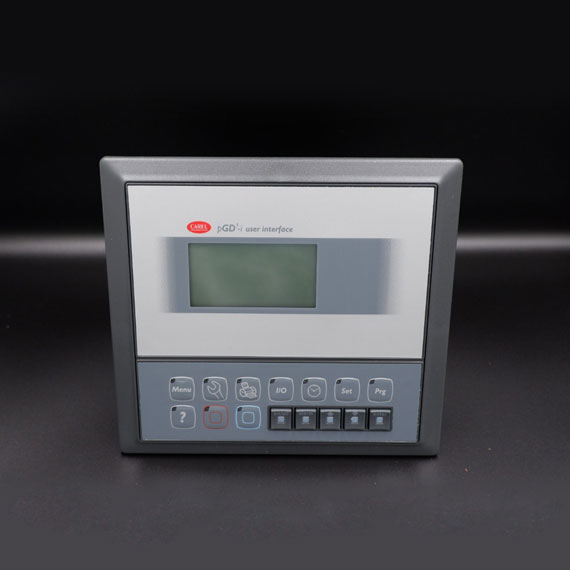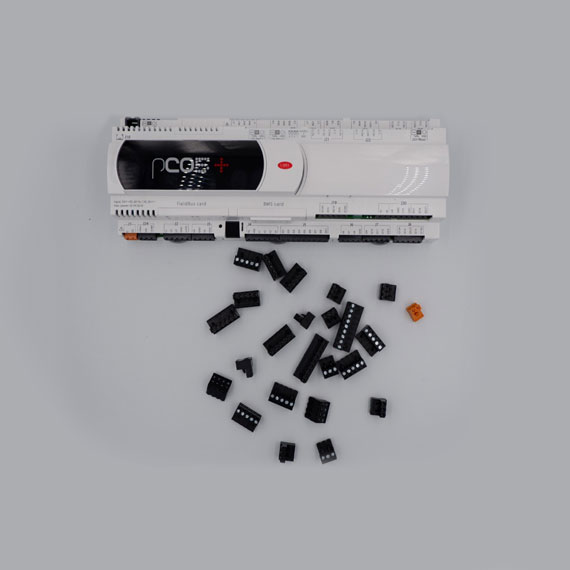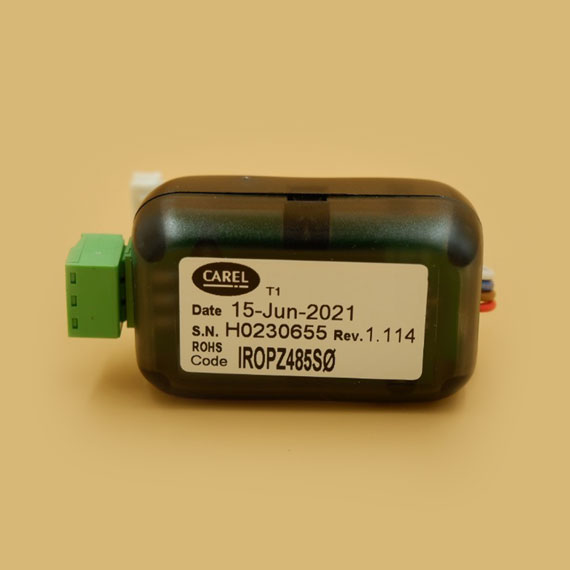
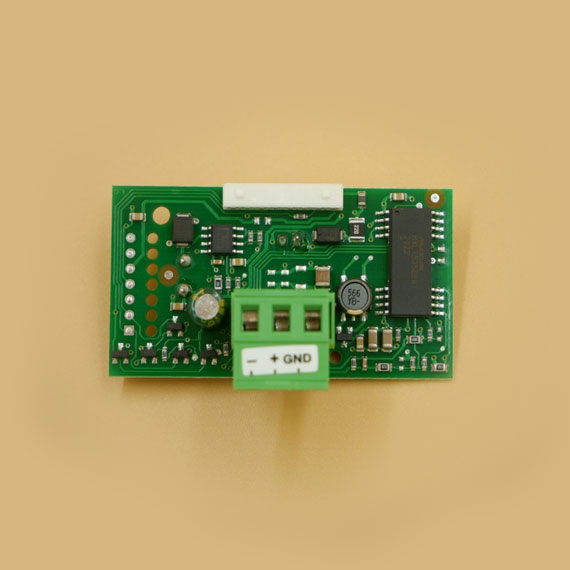
The PC0S004850 Serial Card is a plug-in communication card designed for CAREL pCO controllers, including models such as pCO3, pCO5, pCO5+, pCO optimus, and pCO sistema. It expands the controller’s communication capabilities, enabling connection via Modbus, BACnet, or CAREL proprietary (c.pCO) protocols. This allows seamless integration of the controller with building automation and industrial control systems.
Key Features of the PC0S004850 – Serial Card CAREL
Full Compatibility with CAREL pCO Controllers
Specifically engineered for the pCO Series, this card ensures perfect integration and reliable communication, enhancing controller performance for HVAC and refrigeration systems.
Support for Multiple Communication Protocols
The card supports Modbus (RTU/ASCII), BACnet MS/TP, and CAREL proprietary protocols, providing flexibility to connect with a wide range of BMS (Building Management Systems) and industrial automation networks.
Easy Plug-in Installation
Designed for direct insertion into the designated slot on the controller, installation is quick and tool-free. The card also features LED indicators for Tx/Rx activity, simplifying monitoring and troubleshooting during setup and operation.
Benefits in Refrigeration and HVAC Applications
Centralized Monitoring and Control
Enables remote access to refrigeration system data such as temperature, pressure, compressor and fan status, and alarm events via supervisory software or BMS platforms, allowing efficient and centralized management.
Enhanced System Efficiency
Integration of multiple controllers into a central monitoring network helps operators analyze system performance, plan preventive maintenance, and optimize energy usage for maximum operational efficiency.
Reduced Maintenance Costs and Downtime
Remote diagnostics allow quick identification and resolution of issues, reducing on-site visits and minimizing system downtime.
Seamless System Integration
Facilitates interoperability between refrigeration systems and other building subsystems — such as air conditioning, lighting, and security — leading to improved energy management and overall building performance.